Відгуки і рецензії читачів
Поки немає відгуків


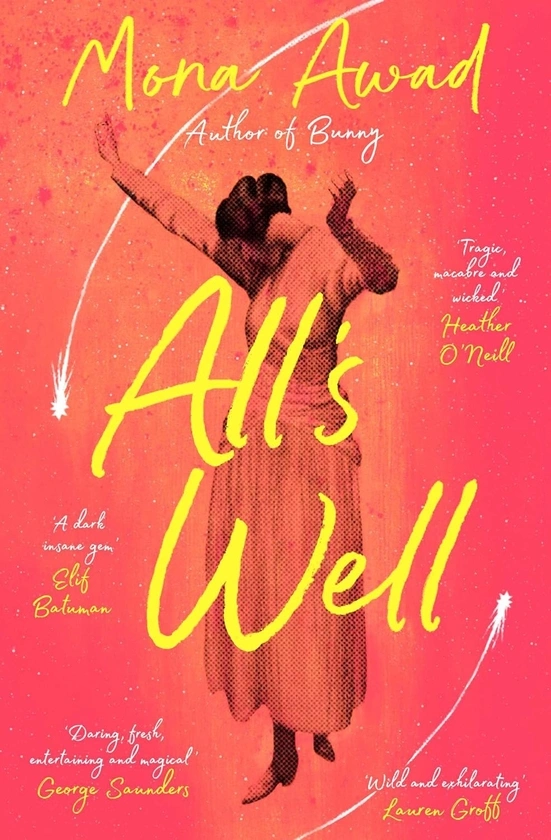
All's Well is a darkly comic, surreal literary novel about chronic pain, theatrical ambition and a woman pushed so far beyond belief and sympathy that reality itself begins to bend around her rage.
All's Well Mona Awad follows Miranda Fitch, a former actress turned college theatre director, as she tries to stage Shakespeare’s All’s Well That Ends Well while her body, her students, her job and her grip on control all threaten to collapse at once.
The plot centers on Miranda Fitch, whose life was changed by an accident that ended her promising acting career. The injury left her with severe chronic back pain, a failed marriage, a dependence on painkillers and a sense that the world has stopped seeing her as a whole person. Her suffering is constant, but the people around her treat it as inconvenience, exaggeration or personal weakness.
Now Miranda is directing theatre at a college, and even that fragile professional foothold is slipping away. She is determined to put on Shakespeare’s All’s Well That Ends Well, a play tied to her own dreams of reversal, healing and impossible transformation. Her students, however, do not share her vision. They want Macbeth instead, and their mutiny turns rehearsals into a battle over authority, art and whose pain gets to be taken seriously.
The central conflict grows from Miranda’s need to make the play happen at any cost. For her, the production is not just a job or a creative preference; it is a chance at redemption, proof that her body has not stolen everything from her. As students resist, colleagues doubt her and her pain intensifies, Miranda’s world becomes increasingly unstable, bitterly funny and dangerous.
In the middle of the narrative, All's Well book shifts into stranger territory when Miranda encounters three mysterious benefactors who seem to know too much about her past and offer a future she hardly dares imagine. They promise relief, recognition and a version of justice in which the people who dismissed her suffering are forced to understand it. The offer is seductive because it answers the deepest wound in her life: the refusal of others to believe her pain.
The characters around Miranda form a theatre of cruelty, denial and desire. Her students are rebellious, self-absorbed and sometimes vulnerable in ways she struggles to see. Her colleagues represent the institutional indifference that has worn her down. The strange benefactors bring a supernatural or uncanny energy into the story, echoing Shakespearean patterns of bargains, reversals and dangerous wishes.
Published in 2021, All’s Well is Mona Awad’s third novel, following 13 Ways of Looking at a Fat Girl and Bunny. The book blends dark academia, body horror, theatre satire, Shakespearean allusion and psychological surrealism, creating a story that is both a portrait of chronic pain and a sharp critique of the systems that refuse to witness it.
The atmosphere is feverish, theatrical and unsettling. Rehearsal rooms, offices, pain clinics and performance spaces become stages where Miranda’s body and mind are constantly judged. The novel moves between comedy and horror, making the reader laugh at absurdity while feeling the pressure of Miranda’s physical and emotional distress.
The main themes include chronic pain, medical disbelief, female suffering, ambition, revenge, performance, invisibility, power and the dangerous fantasy of being believed at last. The conflict is not only between Miranda and her students; it is between lived pain and a culture that demands visible proof before offering compassion.
Mona Awad’s style is sharp, strange and highly controlled in its chaos. The prose can be funny, grotesque, furious and dreamlike within the same scene. Shakespeare’s All’s Well That Ends Well and Macbeth both haunt the structure, giving the novel a sense of theatrical fate, witchy interference and unstable genre.
Miranda is compelling because she is neither an easy victim nor a simple villain. Her pain is real, but so are her bitterness, vanity, cruelty and longing for power. Awad allows her to be difficult, funny, frightening and sympathetic all at once, which gives the story its uncomfortable force.
For the audience, the novel offers an experience that is deliberately disorienting. It is not a gentle illness narrative or a conventional campus satire; it is a warped tragicomedy about what happens when a woman’s suffering is denied for so long that the only satisfying answer begins to look monstrous.
This novel is ideal for readers who enjoy literary fiction, dark academia, surreal horror, theatre novels, Shakespearean retellings and psychologically intense stories about women at breaking point. It suits an audience looking for a book that is funny, painful, strange and formally bold.
It will also appeal to readers interested in chronic pain, medical gaslighting, unreliable narration and stories where comedy and horror blur. Fans of Bunny will recognize Awad’s taste for social cruelty, weird transformation and atmospheres that feel both glamorous and rotten underneath.
All's Well is a compelling choice for readers asking why read a novel about pain, theatre and revenge. It offers wit, darkness, Shakespearean mischief and a fierce portrait of one woman’s demand to be seen, heard and believed before the curtain falls.