Відгуки і рецензії читачів
Поки немає відгуків


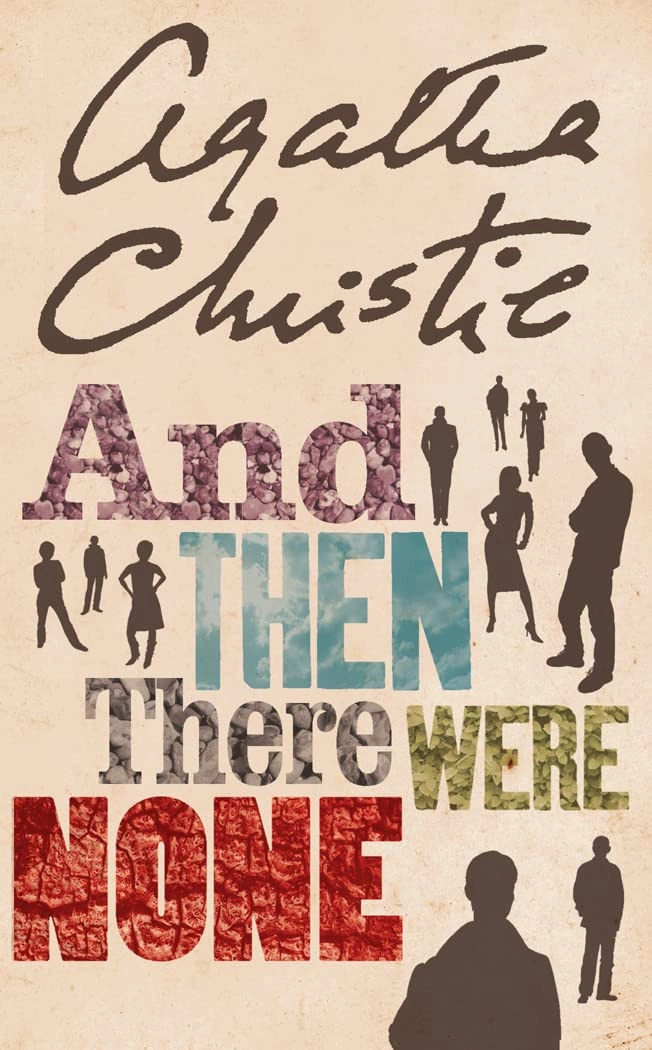
And Then There Were None is a masterfully constructed mystery thriller about ten strangers trapped on an isolated island, each carrying a secret that someone is determined to expose. What begins as an elegant invitation to a mansion off the Devon coast becomes a terrifying game of accusation, fear, and survival, where every guest may be guilty and no one can be trusted.
And Then There Were None Agatha Christie gives readers one of crime fiction’s most famous closed-circle mysteries: a group of people cut off from the outside world, an unseen host, a chilling recorded accusation, and a sequence of deaths that turns suspicion into panic. First published in 1939, the novel remains a landmark of psychological suspense, precise plotting, and ruthless narrative control.
The plot begins when ten people arrive at a luxurious island house after receiving invitations from the mysterious U. N. Owen. They come from different walks of life: a judge, a doctor, a secretary, a soldier, servants, and others whose manners and social positions make them appear respectable. Yet the atmosphere changes during dinner, when a recorded voice accuses each guest of being responsible for a death that was never properly punished.
At first, the accusations seem impossible, grotesque, even theatrical. Some guests protest, some explain, some evade, and some react with visible fear. Then Tony Marston dies after drinking a poisoned cocktail, and the island becomes a trap. The guests realize that the danger is not distant or symbolic: the murderer is present, calculating, and ready to strike again.
Christie builds the central conflict around isolation. There is no easy way to leave, no reliable authority to call, and no obvious outsider to blame. The characters must examine one another while also defending themselves from scrutiny. Every conversation becomes a test, every movement a possible clue, and every private history a reason for suspicion.
As the deaths continue, the survivors search the island, question the identity of their host, and try to understand the pattern behind the murders. The tension grows because the killer seems to know not only their pasts, but also how to use fear against them. In the middle of the novel, And Then There Were None book becomes a study of guilt under pressure: each character is forced to face what was hidden, denied, or excused.
The brilliance of the mystery lies in its structure. The plot narrows with each death, yet the answer does not become simpler. Instead, the smaller group intensifies the paranoia. Trust collapses, alliances shift, and reason is tested by dread. Christie turns the island into a stage where justice, revenge, and murder are deliberately confused.
The atmosphere is claustrophobic, elegant, and increasingly nightmarish. The island setting gives the story its powerful sense of enclosure: the sea surrounds the characters, the house becomes less safe with every chapter, and the absence of the host feels more threatening than any visible villain. The mood is not only frightening; it is morally cold, as if the house itself has been designed to strip away excuses.
The major themes include guilt, punishment, deception, fear, justice, and the instability of civilized behavior under extreme stress. Christie asks what happens when people who have escaped legal consequences are placed in a private court where the rules are unknown. The novel does not simply ask who the murderer is; it asks what kind of justice can exist when judgment becomes personal and absolute.
The style is economical and controlled. Christie uses clear scenes, sharp dialogue, and carefully timed revelations to keep the reader alert. Her method is not loud or decorative. She creates suspense through order: names, rooms, objects, movements, and small changes in behavior all matter. The result is a plot that feels both smooth and merciless.
The characters are memorable because they are drawn through pressure. At the beginning, many try to preserve dignity, rank, or confidence. As the murders continue, those masks break. The audience watches fear expose vanity, guilt, cruelty, courage, and despair. In this way, the novel’s psychological force grows directly from its detective puzzle.
Who this book is for
This novel is ideal for readers who enjoy classic crime fiction, locked-room style mysteries, and stories where every detail may become important. It will appeal to an audience that values clever plotting, moral tension, and suspense built without unnecessary excess.
It is also a strong choice for readers who want a mystery that feels timeless rather than dated. The setting is specific, but the emotional mechanics remain sharp: strangers trapped together, hidden crimes uncovered, fear spreading faster than facts, and a killer who turns secrecy into a weapon.
Why you should read it
And Then There Were None remains compelling because it understands the pure mechanics of fear. The danger is immediate, the suspects are limited, and every solution seems to create another problem. Christie keeps the reader in the same position as the characters: counting, doubting, revising, and wondering who can still be believed.
The novel is worth reading for its balance of entertainment and discipline. It delivers suspense, atmosphere, and shock, but it also shows how carefully a mystery can be built. Nothing feels accidental. Every accusation, reaction, and silence helps tighten the design until the final explanation reveals the full shape of the trap.
For anyone seeking a tense, intelligent, and elegantly ruthless mystery, this novel is an essential choice. Enter the island house, listen to the accusation, watch the masks fall, and follow the clues until the final truth reveals why this story continues to unsettle new generations of readers.