Відгуки і рецензії читачів
Поки немає відгуків


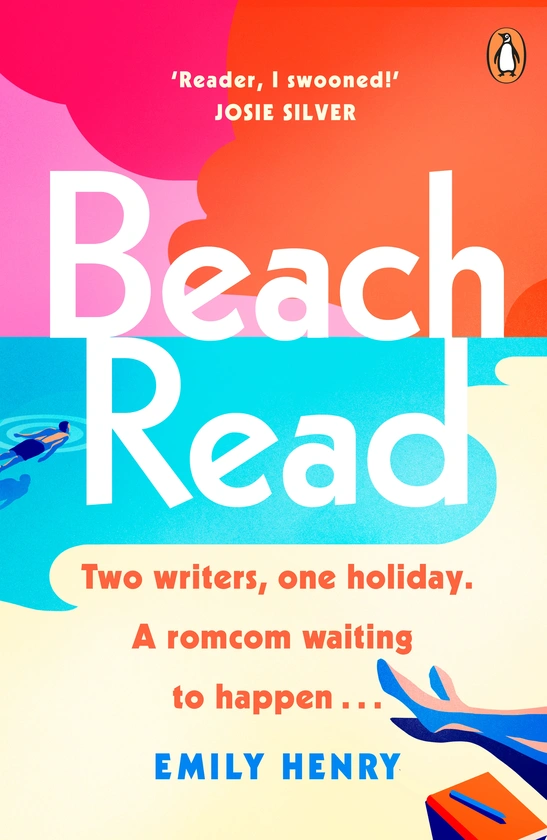
Beach Read is a smart, emotional romantic comedy about two writers, one summer, and the dangerous bet that forces them to question everything they believe about love and stories. January Andrews writes romance and has built her life around the hope of happy endings, but grief and disappointment have left her unable to believe in them. Augustus Everett writes serious literary fiction and treats romance like a comforting lie. When they become neighbors near the lake, their rivalry turns into a challenge: swap genres, write before summer ends, and see whose worldview survives.
Beach Read Emily Henry offers readers a witty and tender contemporary romance from an author known for character-driven love stories with emotional depth. The novel follows two blocked writers who are broke, bruised by the past, and forced to confront the stories they tell for a living and the ones they tell themselves. Its promise is irresistible: a romcom setup with sharp banter, but beneath it a deeper plot about grief, family secrets, creative fear, and learning to trust joy again.
January arrives at a lakeside house carrying more than writer’s block. She has lost faith in the kind of love she used to put on the page, and her professional deadline only makes the emotional pressure worse. Her old confidence has cracked, leaving her stuck between the person she used to be and the book she no longer knows how to write. The place that should offer peace instead becomes a reminder that escape does not erase pain.
Gus, her new neighbor and former college rival, appears to be her opposite. He is literary, skeptical, intense, and convinced that happy endings are not the truth of life. Yet he is also struggling to write, and his seriousness hides its own wounds. Their conversations begin with friction, but that friction quickly becomes energy, curiosity, and the kind of creative challenge neither of them can ignore.
The bet is simple on the surface: January will try to write something darker and more literary, while Gus will attempt a romance with a happy ending. To help each other, they design research trips into one another’s genres. The result is funny, awkward, revealing, and increasingly intimate. Their writing challenge becomes a way of seeing the world through the other person’s eyes, which is far more risky than either expected.
In the middle of the novel, Beach Read book becomes more than a summer romance between rival authors. It becomes a story about narrative itself: why people need hopeful endings, why others mistrust them, and how pain can distort the stories we believe are true. January and Gus are not only trying to finish books; they are trying to decide whether love is a fantasy, a choice, a risk, or something that can exist alongside loss.
The characters are compelling because neither is reduced to a simple type. January is romantic but not naïve, wounded but not passive. Gus is cynical but not cold, guarded but not empty. Their conflict grows from real emotional differences, not just clever banter. As they learn more about each other, the relationship shifts from competition to understanding, and then into something that threatens both of their carefully defended views of life.
The atmosphere is summery, intimate, and bittersweet. The lakeside setting gives the novel warmth and space, while the characters’ emotional histories keep the tone from becoming purely light. There are sunsets, writing deadlines, teasing exchanges, research outings, and the delicious closeness of living next door to someone who understands exactly how terrifying a blank page can be.
The major themes include grief, creativity, love, cynicism, family disappointment, trust, and the difference between escapism and hope. The novel explores how writers transform pain into fiction, and how fiction can sometimes help them face truths they avoid in life. It also asks whether a happy ending is less honest because it is chosen, or more powerful because choosing hope can be difficult.
The style is sharp, funny, and emotionally layered. Dialogue carries much of the sparkle, but the novel also gives space to loneliness, anger, and vulnerability. The pacing balances romantic tension with personal discovery, creating a story that feels readable and warm while still carrying emotional weight. The humor works because it comes from character, not from avoiding seriousness.
What lingers after reading is the idea that love stories do not have to deny pain to be meaningful. Beach Read understands both sides of the argument: the need for realism and the need for hope. Its strength lies in showing that a happy ending is not a guarantee or a cliché, but sometimes an act of courage after disappointment has made belief feel impossible.
This novel is for readers who enjoy contemporary romance with literary themes, strong banter, emotional depth, and characters who must grow before they can fully love. It will appeal to an audience that likes rivals-to-lovers tension, writer protagonists, summer settings, and stories where humor and heartbreak exist on the same page.
One reason to read this novel is the chemistry between January and Gus. Their banter is clever, but the relationship becomes memorable because each challenges the other at the level of belief. They do not simply flirt; they force each other to ask why they write, why they hide, and what kind of ending they are still brave enough to want.
Another reason is the way the book treats creativity. Writer’s block is not just a career obstacle here. It reflects grief, fear, and disillusionment. Watching January and Gus try to write outside their comfort zones gives the plot both humor and emotional resonance, because their books become mirrors of their changing selves.
The novel also stands out because it is both a romance and a conversation about romance. It understands why happy endings can seem impossible, but also why readers and writers keep reaching for them. That self-awareness makes the story feel fresh, warm, and deeply satisfying.
Beach Read is a charming and heartfelt choice for readers who want a summer romance with wit, tenderness, and real emotional stakes. It invites you into a story where two blocked writers trade genres, challenge their own certainties, and discover that the hardest ending to write may be the one they secretly hope to live.