Відгуки і рецензії читачів
Поки немає відгуків


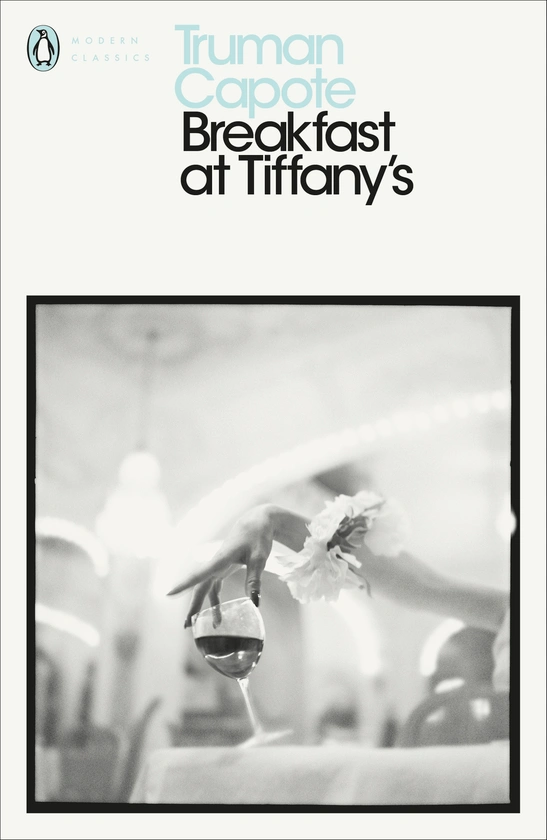
Breakfast at Tiffany's is a slim, glittering novella about freedom, loneliness, and the strange magnetism of a woman who refuses to be owned by anyone. Set in 1940s New York, the story is remembered through the eyes of an unnamed writer who becomes fascinated by his neighbor, Holly Golightly. She is a socialite, a drifter, a party girl, a survivor, and a mystery wrapped in dark glasses and charm. Everyone wants to define her, rescue her, possess her, or expose her, but Holly keeps moving before any label can hold.
Breakfast at Tiffany's Truman Capote offers readers one of the most iconic portraits in twentieth-century American fiction. First published in 1958, the novella captures a world of brownstone apartments, late-night cocktails, wealthy admirers, hidden pasts, and fragile illusions. Its value lies in the tension between sparkle and sadness: Holly appears dazzlingly free, yet her restless movement suggests a deeper fear of belonging, memory, and loss.
The narrator looks back on the period when he lived in the same Manhattan brownstone as Holly Golightly. He is young, observant, and still becoming a writer, while Holly seems to have arrived already as a legend of her own making. She slips through parties, restaurants, men’s lives, and the city itself with a confidence that feels both comic and dangerous. Her doorbell rings at impossible hours, her apartment is half temporary shelter and half stage, and her life appears to run on improvisation.
Holly does not want to belong to anyone. Millionaires, gangsters, admirers, and respectable men pass through her orbit, but she treats attachment like a trap. Her relationship with Sally Tomato, a prisoner she visits, adds another layer of risk and ambiguity to her life. She can be generous, cruel, funny, evasive, and heartbreakingly vulnerable, often within the same scene. The narrator’s fascination grows because he sees both the performance and the person flickering beneath it.
The plot unfolds less like a conventional romance and more like a remembered encounter with someone impossible to forget. Holly’s past is not absent, only carefully escaped. The more the narrator learns, the clearer it becomes that her glamour is partly a defense against fear, poverty, and the ordinary demands of identity. She reinvents herself because reinvention is the only freedom she trusts.
In the middle of the novella, Breakfast at Tiffany's book becomes a meditation on the cost of refusing roots. Holly wants somewhere beautiful enough to soothe her nameless anxiety, and Tiffany’s represents that dream: order, elegance, safety, and a feeling that nothing bad could happen there. Yet no shop window, apartment, lover, or city can become home if she keeps believing home is another word for captivity.
The characters around Holly reveal different responses to her freedom. The narrator wants to understand and remember her. Wealthy men want to claim or display her. Her cat, unnamed and half-wild like Holly herself, becomes one of the novella’s most telling symbols. Through these relationships, the central conflict becomes clear: can a person live entirely unattached, or does the refusal to belong become another kind of prison?
The atmosphere is elegant, brittle, and melancholy beneath its brightness. New York appears through parties, stairwells, bars, apartments, street corners, and the imagined calm of a famous jewelry store. The novella has the shimmer of café society, but Capote keeps showing the loneliness behind the shine. The city feels full of movement, yet everyone is searching for a place to land.
The major themes include freedom, identity, class performance, loneliness, reinvention, desire, and the difference between being admired and being known. Holly’s charm makes people look at her, but attention is not the same as intimacy. The story asks whether self-invention can truly liberate a person when the past remains unspoken and the future is always somewhere else.
The style is precise, witty, and economical. Capote writes with a light touch that makes scenes feel effortless while carrying emotional weight. The narrator’s voice gives the novella the quality of memory: tender, amused, regretful, and alert to details that only become meaningful after someone has disappeared. The result is a story that feels brief but resonant, like a song heard once and remembered for years.
What lingers after reading is the contradiction of Holly Golightly herself. Breakfast at Tiffany's is famous for its glamour, but its deeper power comes from sadness. Holly is enchanting because she is unfinished, always escaping, always inventing, always pretending not to need what she may want most: a place, a name, a love, or a life that does not require flight.
This novella is for readers who enjoy classic American fiction, memorable female characters, New York settings, and stories where style hides emotional ache. It will appeal to an audience drawn to sharp prose, social observation, bittersweet glamour, and character studies built around mystery rather than easy explanation.
One reason to read this novella is Holly Golightly. She is not simply charming or scandalous; she is one of those fictional figures who seem larger than the pages that contain them. Her contradictions make her vivid: independent yet vulnerable, careless yet wounded, worldly yet frightened of ordinary attachment.
Another reason is Capote’s style. The prose is clean, musical, and exact, creating a world in a few strokes. A room, a voice, a gesture, or a half-true story can reveal more than a long explanation. This economy makes the novella especially rewarding for readers who appreciate language as much as plot.
The book also stands out because it resists turning Holly into a simple lesson. She is not punished neatly, saved easily, or explained completely. The narrator remembers her with affection and uncertainty, and that uncertainty keeps the story alive. Like the best encounters in literature, Holly remains partly unknowable.
Breakfast at Tiffany's is a brilliant choice for readers who want a short classic filled with wit, glamour, and emotional aftertaste. It invites you into a Manhattan of cocktails, secrets, restless nights, and fragile dreams, where one unforgettable woman keeps traveling because stopping might mean discovering what she has been running from all along.