Відгуки і рецензії читачів
Поки немає відгуків


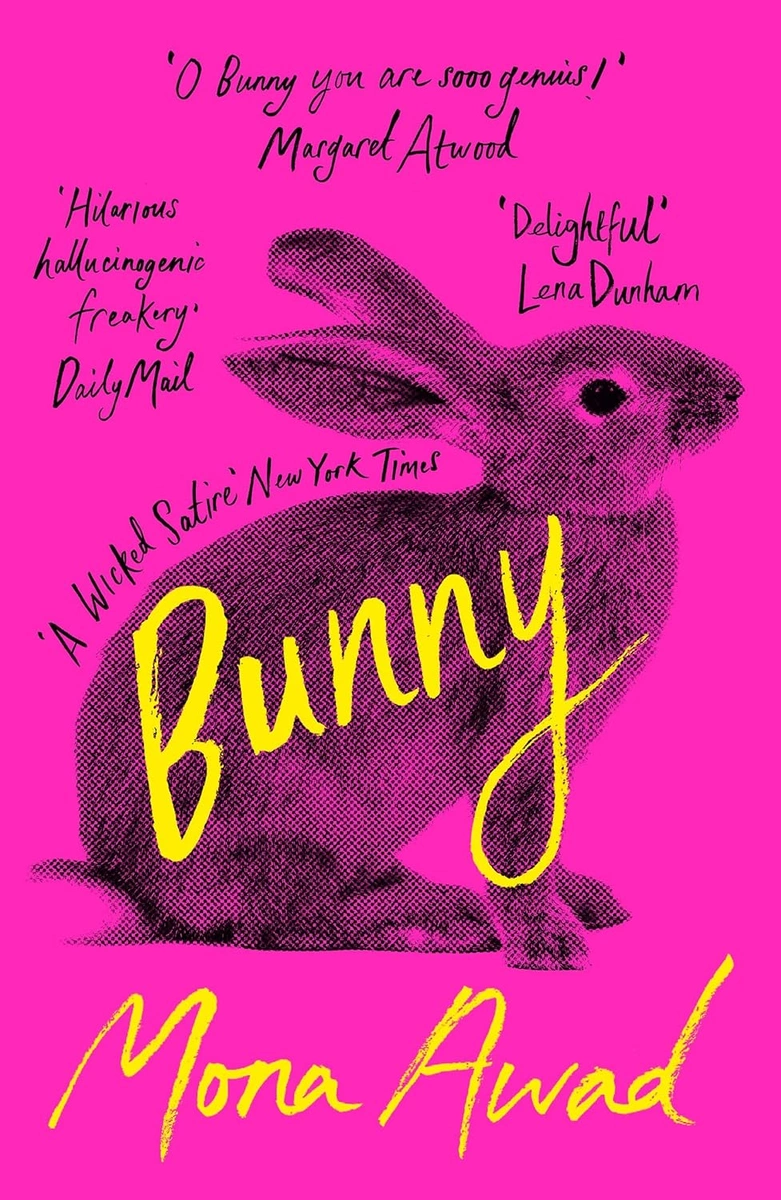
Bunny is a darkly comic campus novel about loneliness, obsession, creative hunger, and the frightening desire to belong. Mona Awad turns an elite MFA program into a candy-colored nightmare where politeness feels predatory, friendship becomes a spell, and the line between imagination and reality begins to tear open.
Bunny Mona Awad follows Samantha Heather Mackey, a scholarship student at Warren University who feels alienated from the privileged writing cohort around her. The novel promises a strange, sharp, and addictive reading experience: part literary satire, part psychological horror, part surreal descent into the secret rituals of art, envy, and female intimacy.
Samantha is an outsider in a small, highly selective fiction program in New England. She prefers the company of her own dark imagination and the intense friendship of Ava, her only real ally, to the artificial sweetness of the other women in her workshop. Those women move as a group, speak in sugary phrases, and call one another “Bunny” until individuality seems to dissolve into one pastel, collective creature.
At first, Samantha watches them with disgust. Their wealth, softness, private jokes, and suffocating affection repel her, but they also fascinate her. The plot turns when she receives an invitation to their mysterious Smut Salon, an event surrounded by rumor and glamour. Against her better judgment, she goes to them, leaving Ava behind and stepping into a world that is both welcoming and deeply wrong.
As Samantha is drawn closer to the Bunnies, the story becomes increasingly unstable. Their sweetness hides something ritualistic; their language feels like a performance; their approach to writing suggests that creation may demand more than talent, discipline, or imagination. What begins as social temptation becomes a dangerous initiation into a group where art, desire, cruelty, and transformation are tangled together.
In the middle of the narrative, Bunny book becomes a feverish exploration of what writers want when they say they want to make something beautiful. The characters do not simply compete for approval in a workshop; they expose the violence beneath taste, ambition, and belonging. Samantha’s conflict grows sharper as her loyalty to Ava collides with her attraction to the Bunnies’ sinister intimacy.
The novel’s reality bends gradually, then boldly. Samantha’s perception becomes uncertain, and the reader is pulled into the same confusion: is she being seduced, manipulated, inspired, or broken open by the group? The atmosphere turns increasingly dreamlike and grotesque, making the familiar world of seminars, parties, manuscripts, and campus houses feel like a portal into a fairy tale with teeth.
At its core, the story is about creation and agency. Samantha wants to write, to be seen, to resist being absorbed, and yet also to be chosen. The Bunnies offer the promise of artistic magic and social belonging, but that promise carries a cost. The conflict is not only between Samantha and the clique; it is between the safety of isolation and the terror of being remade by others.
The atmosphere is sugary, macabre, claustrophobic, and wickedly funny. Awad builds a world of pink surfaces, cute nicknames, group hugs, workshop language, and ornamental femininity, then lets dread seep through every crack. The result is a novel that feels playful and menacing at the same time.
The major themes include loneliness, friendship, class, female rivalry, artistic ambition, desire, performance, and the horror of losing control over one’s own imagination. The book asks why belonging can feel so intoxicating even when it threatens the self, and why making art can become inseparable from envy, hunger, and fear.
Mona Awad’s style is sharp, surreal, and rhythmically alive. The prose moves between satire and nightmare, mixing academic absurdity with emotional vulnerability and sudden grotesque images. The tone can be hilarious, disturbing, tender, and brutal, often within the same scene.
The characters are memorable because they are both exaggerated and psychologically recognizable. Samantha’s disdain hides longing; Ava’s outsider confidence carries its own intensity; the Bunnies are ridiculous, seductive, frightening, and oddly magnetic. Their world is not realistic in a simple sense, but it captures the emotional truth of exclusion and the violence of wanting to be invited in.
For the audience, the novel’s power comes from uncertainty. It does not offer a neat separation between imagination and madness, satire and horror, friendship and possession. Instead, it invites the reader to inhabit a story where creativity feels dangerous because it can summon what was never supposed to exist.
Who this book is for
This novel is ideal for readers who enjoy dark academia, literary horror, surreal fiction, and sharp social satire. It will appeal to those drawn to stories about writers, toxic friendship, elite institutions, female cliques, and the disturbing pressure to transform pain into art.
It is also a strong choice for readers who like books that feel strange, stylish, and unsettling rather than straightforward. The novel’s audience includes fans of character-driven psychological fiction, campus settings with hidden menace, and narratives where the plot becomes stranger as the emotional stakes grow more personal.
Why read it
The novel is worth reading because it turns the MFA workshop into a stage for horror, comedy, and critique. It understands the insecurity of creative work, the seduction of approval, and the strange intimacy that forms among people who judge one another’s art while secretly wanting to be loved.
Bunny is a compelling choice for readers who want a novel that feels like a glittering trap: beautiful, absurd, intimate, and frightening. It invites you through the door of the Smut Salon, into a world where making something beautiful may mean discovering what is monstrous in the wish to belong.