Відгуки і рецензії читачів
Поки немає відгуків


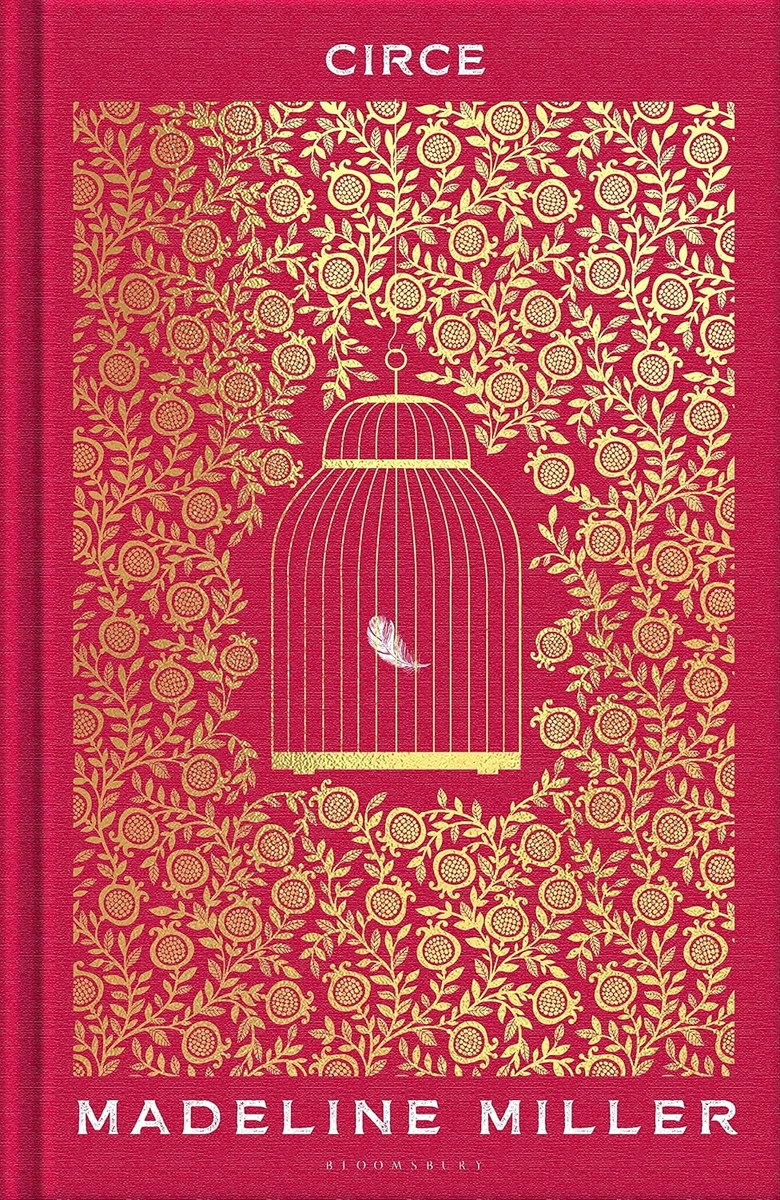
Circe (Anniversary Special Edition) is a luminous mythological novel about power, exile, desire, and the making of a woman who refuses to remain a shadow in the stories of men. Madeline Miller reimagines the ancient figure of Circe not as a passing enchantress in another hero’s journey, but as the center of her own epic: a daughter of the sun who learns that loneliness can become craft, and craft can become defiance.
Circe (Anniversary Special Edition) Madeline Miller offers an immersive retelling inspired by Greek myth and the world of Homer, giving the reader a story of family rivalry, punishment, transformation, love, loss, and self-discovery. This special edition marks the novel’s anniversary and includes a new foreword by the author, while the heart of the book remains Circe’s fierce, intimate voice.
Circe is born in the house of Helios, the mighty Titan of the sun, yet she never fits the expectations of divine greatness. She is not dazzling like her mother and not fearsome like her father. Among gods who prize beauty, force, and obedience, she grows up misunderstood, mocked, and pushed to the margins. From the beginning, the plot is shaped by her sense of not belonging fully to either the immortal world or the human one.
Her difference becomes more dangerous when she discovers a power of her own: witchcraft. Through herbs, spells, patience, and instinct, Circe finds an art that is not granted by the Olympians and not easily controlled by them. What begins as a private awakening soon threatens the divine order, because her gift reveals that power can emerge from someone the gods have chosen to underestimate.
As punishment, Circe is banished to the island of Aiaia. Exile might be meant to silence her, but the island becomes the place where she grows into herself. She studies plants, sharpens her magic, tames wild beasts, and learns the rhythms of solitude. In this middle stretch of the story, Circe (Anniversary Special Edition) book becomes a portrait of isolation transformed into strength, where a woman cast out by her family builds a world on her own terms.
But solitude does not mean safety. Circe’s island draws gods, sailors, monsters, and mortals, each bringing desire, threat, curiosity, or need. Among the figures who enter her life is Odysseus, the famed mortal wanderer, whose arrival opens a new chapter of intimacy, risk, and consequence. Their meeting is important, but the novel never allows him to take over her story; his presence deepens Circe’s choices rather than replacing them.
The central conflict of the novel is not only between Circe and the gods who fear her craft. It is also within Circe herself: the struggle to decide what kind of being she wants to become after scorn, betrayal, love, motherhood, and loss. Her immortality does not protect her from pain. Instead, it stretches every wound across centuries, making each act of courage feel hard-won.
The characters around her come from a mythic world of Titans, Olympians, heroes, nymphs, and monsters, yet the novel gives these figures emotional weight. They are not distant statues from legend; they are proud, hungry, frightened, cruel, tender, or flawed. Through them, the story explores how power is used, how women are judged, and how survival can demand both softness and ferocity.
The atmosphere is rich, golden, dangerous, and intimate. Palaces of the gods, lonely shores, enchanted herbs, wild animals, and sea winds create a setting that feels ancient and alive. The beauty of the world is never simple, because splendor often hides cruelty, and divine immortality often lacks mercy.
The major themes include exile, transformation, female strength, motherhood, desire, pride, punishment, and the search for a self beyond family and reputation. The novel asks what happens when a woman denied honor begins to define her own worth. It also examines the difference between being feared, being loved, and being truly known.
Madeline Miller’s style is lyrical, clear, and emotionally controlled. The prose gives myth a human pulse, combining the scale of epic storytelling with the closeness of confession. Circe’s voice carries wonder and bitterness, tenderness and rage, making the narrative feel both timeless and sharply personal.
The story’s magic is rooted less in spectacle than in attention. Herbs must be gathered, spells shaped, bodies changed, and consequences endured. This gives the witchcraft a tactile, earthy quality that contrasts with the cold arrogance of many gods. Circe’s power feels earned because it grows through practice, loneliness, failure, and choice.
For the audience, the lasting force of the novel lies in its emotional transformation. Circe begins as an unwanted daughter and becomes a figure who can stand before gods and men without disappearing into their versions of her. The book’s atmosphere is mythic, but its questions are intimate: how to live after rejection, how to love without surrendering the self, and how to claim a voice in a world built to deny it.
Who this book is for
This novel is ideal for readers who enjoy mythological retellings with strong character development, vivid atmosphere, and a feminist perspective. It will appeal to those interested in Greek myth, literary fantasy, stories of exile, and heroines who grow through conflict rather than through easy triumph.
It is also a strong choice for readers who want a book with emotional depth as well as beauty. The narrative includes gods, monsters, magic, and famous mythic figures, but its real focus is Circe’s inner life: her hunger for belonging, her mistakes, her loves, her anger, and her refusal to remain powerless.
Why read it
The novel is worth reading because it turns a familiar myth into a deeply felt story of becoming. Instead of treating Circe as a side character in a hero’s adventure, it gives her history, desire, intelligence, and consequence. The result is a retelling that feels grand in scope and private in emotion.
Circe (Anniversary Special Edition) is a compelling choice for anyone drawn to myth, magic, and stories of women who remake themselves after being cast aside. It invites the reader to step onto Aiaia’s shore and follow Circe as she turns exile into power, solitude into wisdom, and an old legend into a living voice.