Відгуки і рецензії читачів
Поки немає відгуків


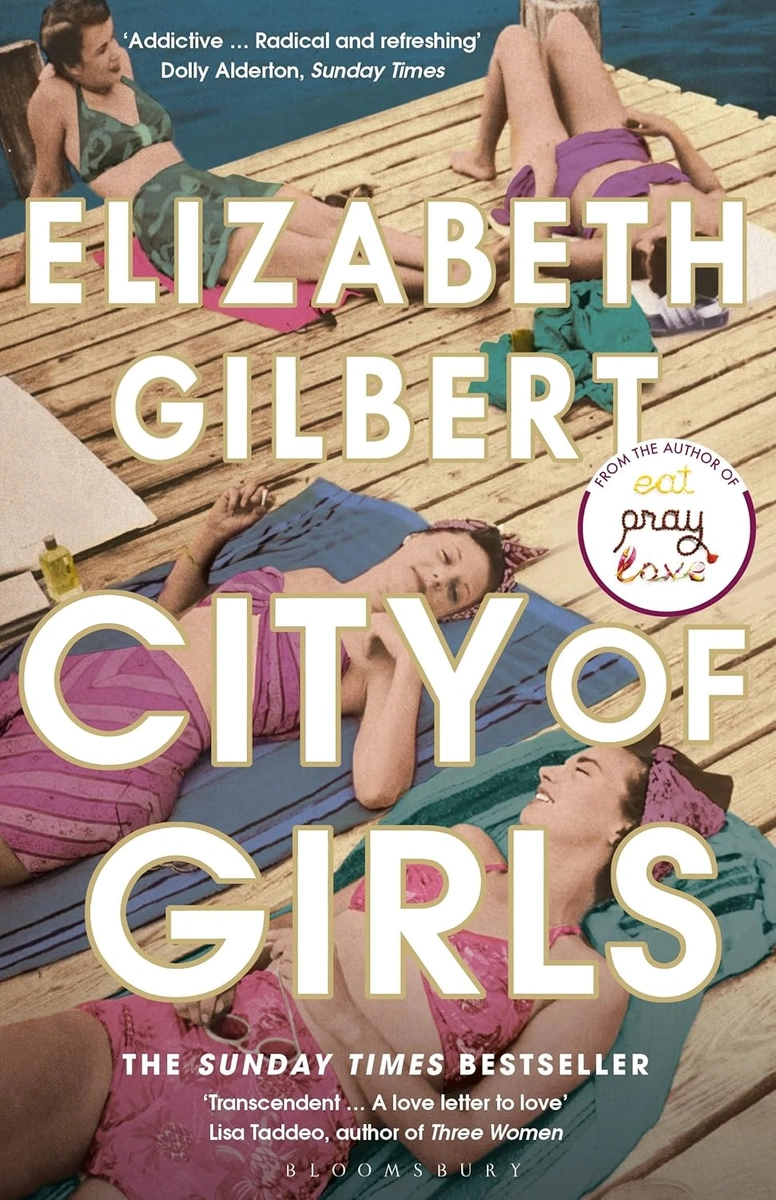
City of Girls by Elizabeth Gilbert follows Vivian Morris into New York’s theatrical world in 1940. Nineteen years old and sent away by her disappointed parents, she arrives with a suitcase and a sewing machine. At her Aunt Peg’s Lily Playhouse, work and friendship introduce her to a life that promises glamour, independence and pleasures whose consequences she does not yet fully understand.
The theatre offers Vivian a place to use her ability with clothes. Becoming its self-appointed seamstress, she transforms modest materials into costumes for the women around her. That practical skill matters to the story’s idea of belonging: she is not only watching a fascinating world but finding a way to contribute to it and be recognised within it.
Her friendship with Celia becomes part of the excitement of the city. Young, glamorous and eager for experience, they seek the freedom available in nightlife and performance. The setting gives their choices energy, but pleasure and risk remain closely linked. Vivian has to learn that an appealing new identity does not prevent mistakes or spare other people from their effects.
The wider wartime world forms a background to this personal beginning. What feels like an ending elsewhere can coexist with a young woman’s sense that her life is just opening. Gilbert uses that contrast to make space for desire, ambition and misjudgment without placing them outside history. Vivian’s effort to live freely takes shape within circumstances she did not choose.
The novel’s theatrical setting makes self-invention especially visible. Costumes, performance and the act of being seen offer ways to think about identity, while Vivian’s relationships test what remains when an outward role is insufficient. Readers can follow how a place that first offers escape becomes somewhere she acquires experience and learns about responsibility.
Female friendship and the judgment directed at women’s desires make the book a useful choice for discussion. What does independence look like when it includes the possibility of being wrong? How can a person acknowledge damage without accepting that one mistake should define an entire life? The novel’s interest in resilience gives those questions continuity beyond the excitement of the opening setting.
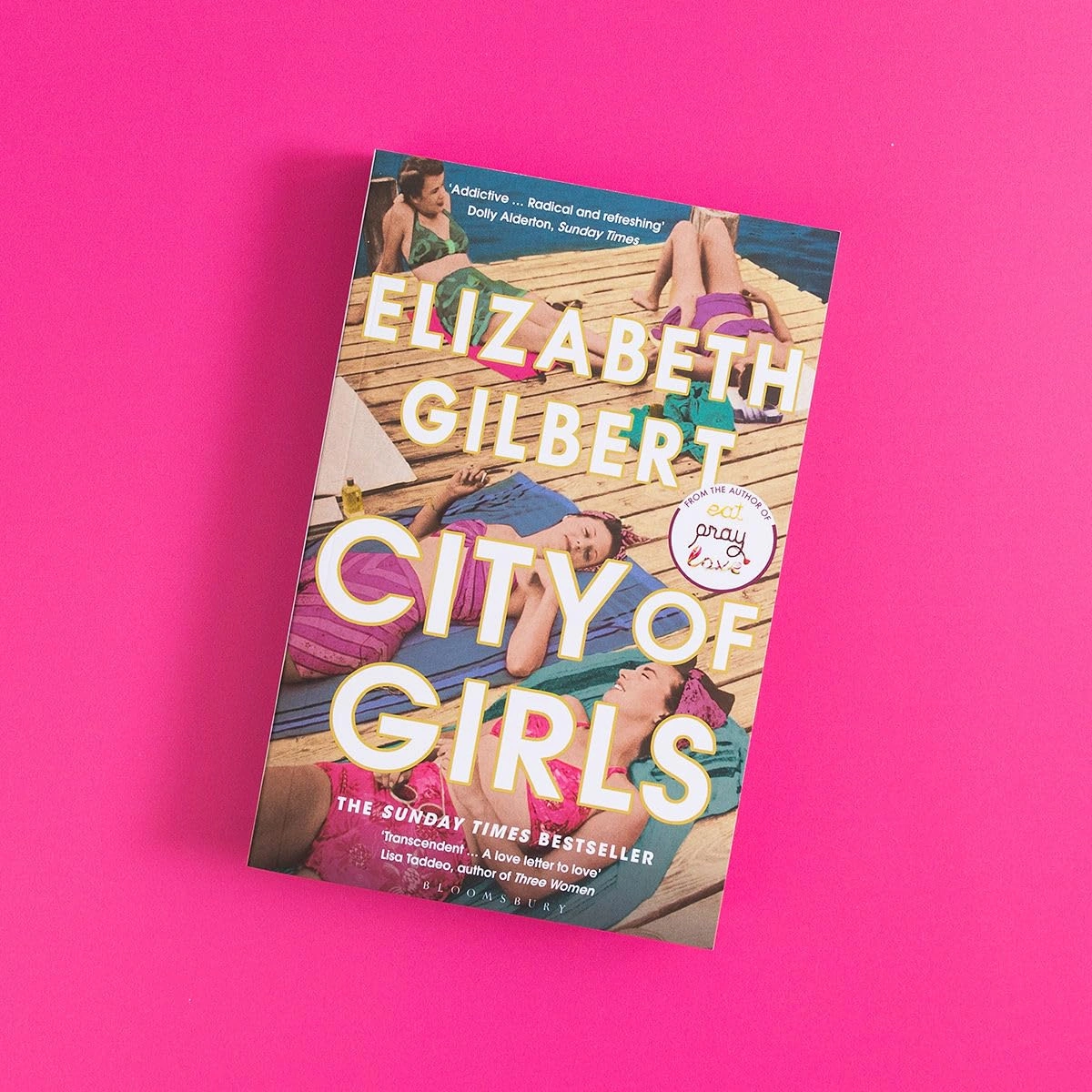
This Bloomsbury paperback carries ISBN 9781408867068 and is listed at 512 pages. It is a novel by the author of Eat, Pray, Love, rather than a continuation of that memoir. Buy this book for a substantial work of historical fiction centred on Vivian’s encounter with New York, the practical creativity of theatre life and the difficult, exhilarating process of finding a place where she might belong.