Відгуки і рецензії читачів
Поки немає відгуків


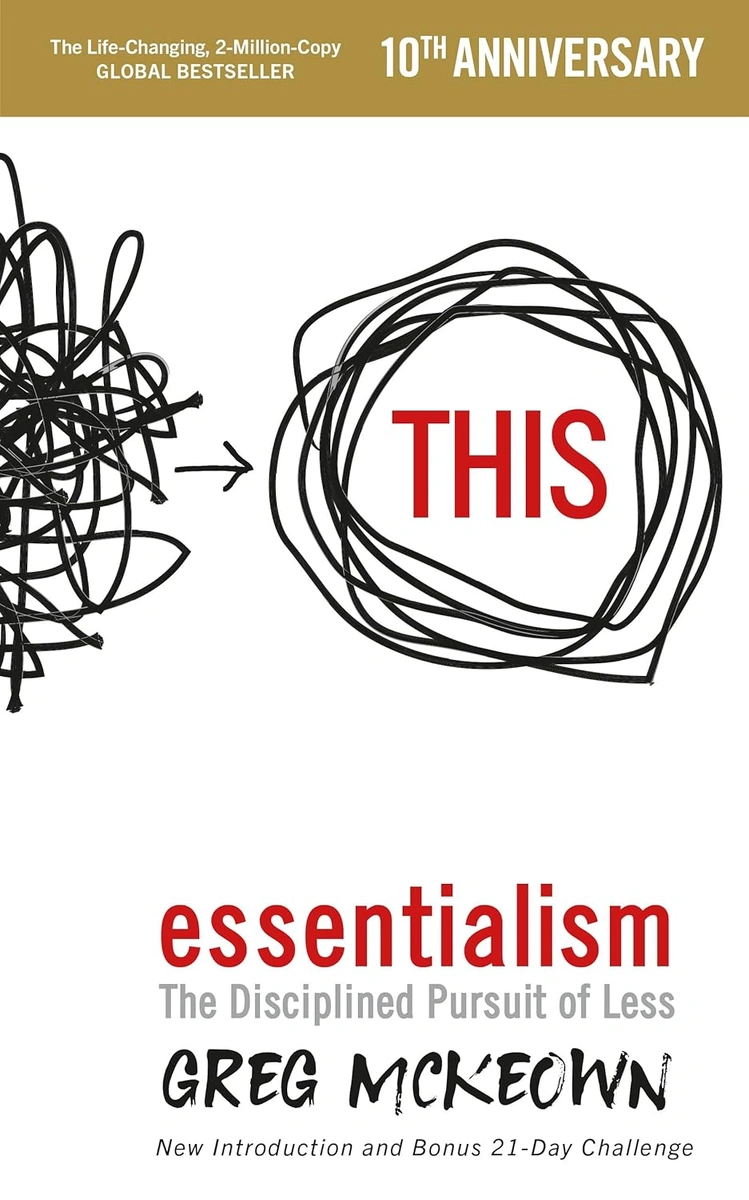
Essentialism. The Disciplined Pursuit of Less is a practical and clarifying book about choosing what matters most and removing the noise that keeps people busy but ineffective. Greg McKeown argues that success can create its own trap: the more capable a person becomes, the more opportunities, requests, meetings, tasks, and expectations compete for their attention until meaningful progress becomes almost impossible.
Essentialism. The Disciplined Pursuit of Less Greg McKeown offers readers a disciplined approach to focus, productivity, and purposeful decision-making. First published in 2014, the book is not about doing more in less time, but about doing the right things with greater intention, protecting energy from the trivial many so it can be directed toward the vital few.
The plot of this nonfiction guide is built around a common modern problem: people feel overloaded, constantly available, and pulled into commitments that do not match their real goals. They say yes because they want to be helpful, successful, polite, ambitious, or indispensable. Over time, however, those yeses become a life shaped by other people’s priorities rather than by conscious choice.
McKeown presents essentialism as a way of thinking and living by design instead of by default. The core idea is simple but demanding: identify what is truly essential, eliminate what is not, and make execution easier by creating systems that support the most important work. This is not minimalism for appearance’s sake; it is a method for making the highest possible contribution where it matters.
The central conflict is between scattered effort and focused impact. When time, attention, and energy are spread across too many directions, even talented people can feel unproductive. Essentialism challenges the belief that everything important must be done immediately and that every opportunity deserves equal attention. It asks readers to make trade-offs deliberately rather than pretending trade-offs do not exist.
The book explores how to pause before accepting commitments, separate noise from signal, set clearer boundaries, say no with respect, protect time for thinking, and build routines that reduce friction. Its characters are recognizable from everyday work and life: the overcommitted professional, the exhausted achiever, the manager drowning in meetings, the parent balancing too many expectations, and the ambitious person who has forgotten what they are ambitious for.
In the middle of the reading experience, Essentialism. The Disciplined Pursuit of Less book becomes especially useful because it gives readers permission to treat choice as a skill. The question is no longer “How can I fit everything in?” but “What is truly worth fitting in at all?” That shift changes productivity from a race against time into a practice of judgment, courage, and clarity.
The atmosphere is calm, practical, and motivating. McKeown writes for readers who are tired of being busy without feeling effective. The book’s tone is not harsh or cynical; it is focused on helping people regain control over attention and energy in a world that constantly rewards reaction, speed, and availability.
The main themes include focus, discipline, priority, trade-offs, productivity, boundaries, decision-making, clarity, execution, and purposeful living. The book asks readers to stop treating every request as equally valid and to recognize that a meaningful life requires subtraction as well as effort. Less becomes powerful when it creates space for what is essential.
McKeown’s style is clear, structured, and accessible, using examples, frameworks, and memorable contrasts to make the argument easy to apply. The book moves from mindset to action, showing how essentialists explore possibilities carefully, eliminate distractions deliberately, and execute the chosen work with fewer obstacles.
The conflict beneath the style is the tension between external approval and internal direction. Saying yes can feel safe in the moment, while saying no can feel uncomfortable. Yet the book shows that without refusal, priorities remain theoretical. Essentialism requires the courage to disappoint some expectations in order to honor the commitments that matter most.
Who this book is for. This book is for readers who feel stretched too thin, busy but not productive, or pulled by other people’s agendas. It will appeal to an audience interested in productivity, leadership, personal development, time management, decision-making, and creating a more intentional life.
It is also a strong choice for professionals, managers, entrepreneurs, students, caregivers, and anyone facing too many choices with too little space to think. Readers who want a system for filtering opportunities, protecting attention, and focusing on meaningful goals will find the book especially useful.
Why you should read it. Essentialism. The Disciplined Pursuit of Less stands out because it treats productivity as a matter of discernment rather than speed. The book does not simply offer tricks for completing more tasks. It asks readers to question whether those tasks deserve their time, attention, and life energy in the first place.
Another reason to read it is the book’s practical emphasis on saying no. McKeown shows that boundaries are not selfish when they protect meaningful contribution. By choosing fewer priorities more deliberately, readers can reduce frustration, improve quality, and create room for deeper work, better decisions, and more intentional living.
For readers seeking a focused and practical guide to doing less but better, this book offers a strong path forward. Read it to reclaim attention, make clearer choices, and build a life where energy is no longer scattered across everything, but directed toward what matters most.