Відгуки і рецензії читачів
Поки немає відгуків


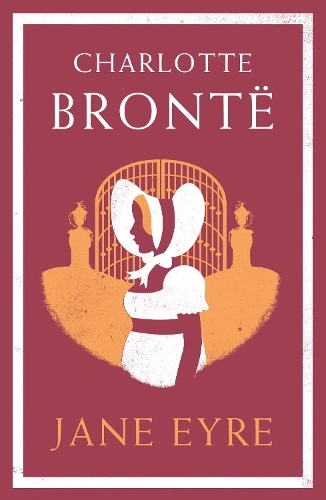
Evergreens: Jane Eyre is a passionate Victorian classic about a young woman who refuses to surrender her conscience, dignity, and inner freedom, even when the world offers her little protection and fewer choices.
Evergreens: Jane Eyre Charlotte Brontë presents Charlotte Brontë’s celebrated novel in a form suited to readers discovering one of English literature’s most influential heroines: Jane, an orphan whose journey from hardship to self-command becomes a story of love, conflict, faith, and independence.
The plot follows Jane Eyre from a lonely and painful childhood into the wider world, where she must learn how to survive without wealth, family influence, or social power. Her early years teach her injustice, discipline, and endurance, but they also strengthen the fierce moral intelligence that defines her character throughout the novel.
Jane’s path leads her from childhood dependence to education, work, and personal responsibility. As a governess at Thornfield Hall, she meets Edward Rochester, a complex and enigmatic master whose presence changes the direction of her life. Their relationship is intense because it is built not only on attraction, but on conversation, moral testing, secrecy, and the struggle for equality between two unequal social positions.
The central conflict is both romantic and ethical. Jane longs to love and be loved, yet she refuses to build happiness by betraying her principles. This tension gives the novel its extraordinary force: the heroine’s inner life matters as much as the outward events, and every decision becomes a test of self-respect.
In the middle of the story, Evergreens: Jane Eyre book becomes a powerful study of identity. Jane is repeatedly pressured to accept the place others assign to her: dependent child, obedient pupil, modest governess, grateful companion. Instead, she insists on being seen as a full human being, with thought, feeling, desire, and judgment of her own.
First published in 1847 under the name Currer Bell, the novel startled Victorian readers with the strength of its first-person voice. Its heroine speaks directly, remembers intensely, and refuses to hide the emotional and spiritual struggle behind her choices. That voice remains one of the reasons the book continues to feel immediate.
The atmosphere is dramatic, intimate, and often Gothic. Isolated houses, hidden rooms, storms, firelight, secrets, and sudden revelations create a sense of emotional danger. Yet the novel is not only mysterious; it is also deeply psychological, following Jane’s thoughts with unusual closeness and seriousness.
The major themes include independence, class, gender, education, faith, conscience, love, and the right to an inner life. Charlotte Brontë uses Jane’s story to question the limits placed on women, especially those without money or social status, while also exploring the difficult balance between passion and moral conviction.
The style is direct, intense, and richly expressive. Jane’s narration gives the book its power: she can be restrained, wounded, angry, tender, and sharply observant, often within the same passage of experience. This emotional range allows the reader to feel the pressure of every choice without losing sight of her intelligence.
The characters remain memorable because they test Jane in different ways. Rochester challenges her heart and judgment; the harsh figures of her childhood shape her resistance; later encounters test her endurance, faith, and understanding of duty. Around Jane, Brontë builds a world where affection, authority, cruelty, and kindness all leave lasting marks.
Although the novel belongs to the nineteenth century, its central question remains alive: how can a person remain true to the self when love, fear, poverty, and social expectation pull in opposite directions? That question gives the story its lasting emotional clarity.
This edition is ideal for readers who enjoy classics with strong atmosphere, emotional depth, and a heroine whose voice drives the entire narrative. It suits those interested in literary romance, Gothic tension, moral conflict, and stories of personal growth.
It will also appeal to students and returning readers who want to engage with a major Victorian novel that combines accessible storytelling with layered themes. The audience includes admirers of character-centered fiction, readers of women’s writing, and anyone drawn to novels where love must answer to conscience.
Evergreens: Jane Eyre remains a rewarding choice for readers who want a classic that speaks with emotional honesty and dramatic power. It is a story of resilience, desire, self-respect, and difficult freedom, inviting each reader to follow Jane’s journey toward a life chosen not by fear, but by conviction.