Відгуки і рецензії читачів
Поки немає відгуків


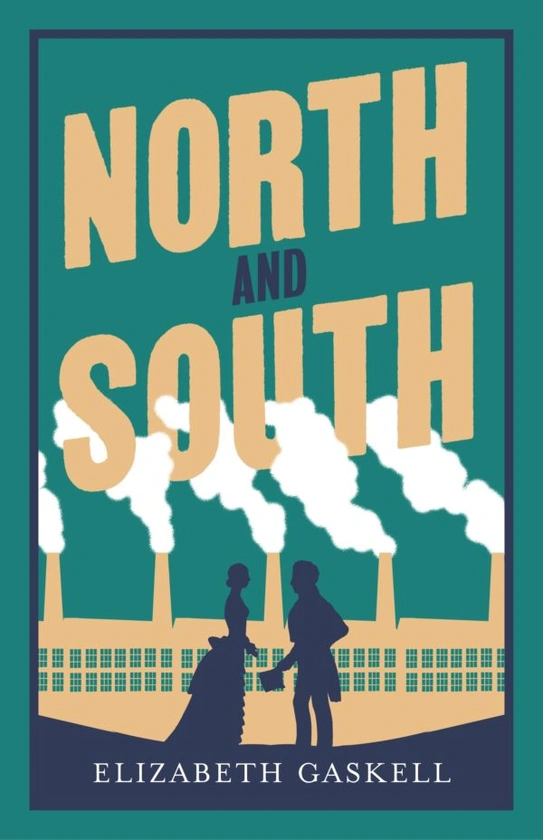
Evergreens: North and South presents Elizabeth Gaskell’s novel about a young woman confronting the social divisions of industrial England. Margaret Hale leaves the rural south for the manufacturing town of Milton, where poverty, working conditions and disputes between employers and labourers challenge the beliefs she has grown up with.
In Milton, Margaret meets the mill owner John Thornton. Their disagreements concern both personal conduct and the responsibilities of people with economic power. As strikes and family difficulties bring them into closer contact, the two must reassess the assumptions behind their judgments of each other.
The romance develops within a wider social novel. Gaskell connects household decisions with the pressures of wages, status and industrial change, allowing different characters to express competing interests. The contrast between countryside and factory town is important, but the story also asks how empathy can grow when neither side has a complete understanding of the other.
Margaret’s movement between regions is also a change in perspective. Conditions that could remain distant in a rural setting become part of the lives of people she knows. Personal acquaintance makes easy judgments harder to sustain: a dispute about industry is connected to households, illness, pride and the need to earn a living. Gaskell gives these public issues emotional weight by keeping their consequences close to the characters’ everyday experience.
Thornton’s position is equally important to the novel’s debates. Running a mill places him within a set of responsibilities and assumptions that Margaret initially views from outside. Their disagreements do not disappear simply because attraction develops. Understanding requires them to recognise the limits of their own knowledge and consider the experiences that have produced another person’s convictions. The changing relationship gives the social argument a continuing personal focus.
The novel’s realism allows different forms of dependence to emerge. Workers rely on employment, employers rely on labour, and families depend on both material security and care. Class distinctions can make that mutual dependence difficult to acknowledge. Readers interested in the connection between ethical beliefs and practical decisions will find that the story continually returns to what people owe one another, especially when the consequences of their choices extend beyond their own home.
This printed book suits readers who enjoy Victorian fiction with moral debate, a strong central heroine and relationships shaped by social circumstances. It offers material for considering class, dignity and the human cost of economic progress. Margaret’s changing perspective gives the story continuity as its domestic and public conflicts unfold, making personal growth inseparable from learning to see other people more clearly.