Відгуки і рецензії читачів
Поки немає відгуків


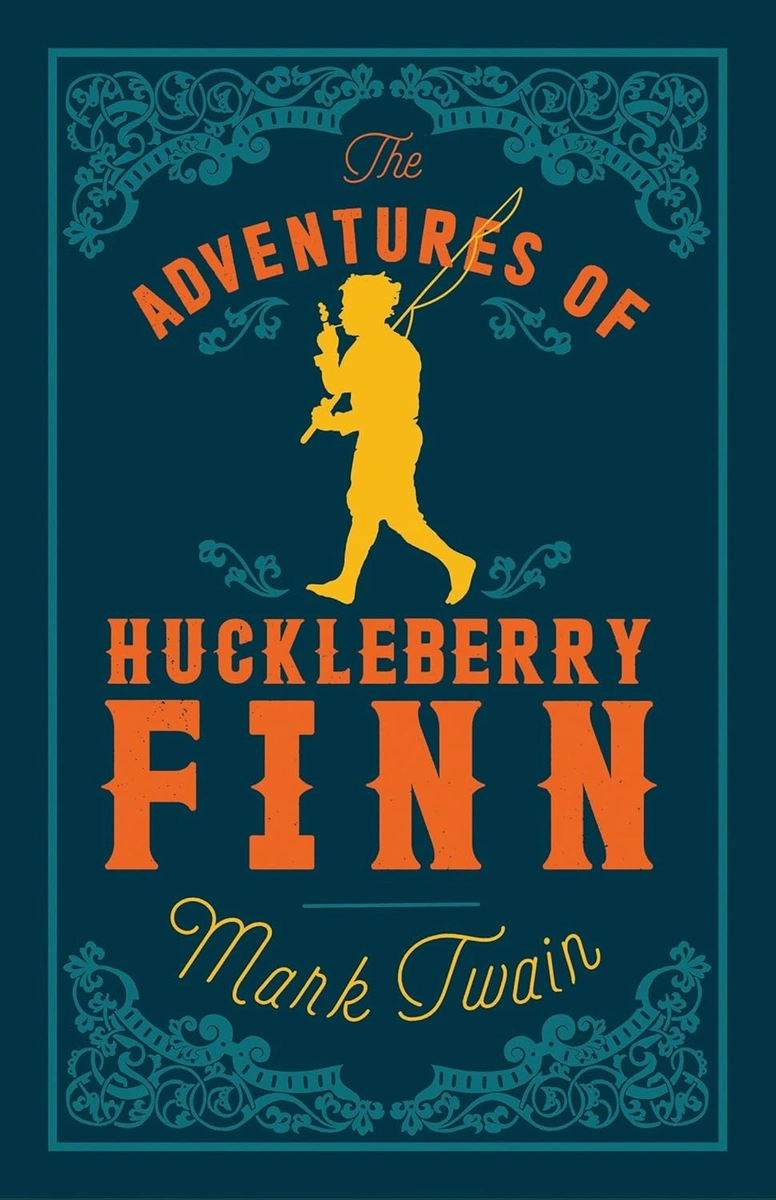
Evergreens: The Adventures of Huckleberry Finn is a classic American novel about escape, conscience, friendship, and the difficult search for freedom on the Mississippi River. At the center of the story is Huck Finn, a restless boy who runs from a violent home and discovers that the wider world can be just as dangerous, comic, unjust, and morally confusing as the place he leaves behind.
Evergreens: The Adventures of Huckleberry Finn Mark Twain invites the reader into a journey that works both as an adventure and as a sharp social portrait. Through Huck’s plainspoken voice, the novel explores how a young person learns to question inherited prejudice, how friendship can challenge fear, and how freedom becomes more than a place to reach.
The plot follows Huck Finn after he escapes his abusive father and meets Jim, an enslaved man also trying to gain control over his own life. Together they travel by raft down the Mississippi, moving through fog, river towns, forests, abandoned places, and settlements where danger often hides behind manners and respectability.
Their journey is built from vivid episodes: a floating house, feuding families, false identities, sudden threats, and crafty impostors who use charm as a weapon. These events give the novel the rhythm of a road story, but each encounter also reveals something about greed, cruelty, hypocrisy, courage, and the fragile line between survival and moral choice.
Huck begins the story shaped by the racial attitudes and social rules of his time. Yet the more he travels with Jim, the more he sees him not as an idea taught by others but as a person: loyal, intelligent, frightened, hopeful, and deeply human. This inner conflict becomes one of the most important parts of the novel, because Huck must decide whether to obey what society calls right or follow what his own conscience begins to understand.
In the middle of its adventure, Evergreens: The Adventures of Huckleberry Finn book becomes a story about growing up without romanticizing childhood. Huck is clever and funny, but he is also vulnerable, lonely, and often forced to make decisions beyond his years. The river offers movement and openness, while the shore repeatedly brings rules, violence, fraud, and pressure to conform.
Jim is not only Huck’s companion on the raft; he is the emotional center of the journey. His wish for freedom gives the story urgency, while his patience and care help Huck see the limits of the world he has been taught to accept. Their bond gives the novel its lasting power, because it turns adventure into a test of empathy.
The novel does not depend on a single villain. Its conflict grows from families, laws, customs, fear, and the ordinary people who accept injustice because it feels familiar. That makes the story more unsettling and more memorable: Huck’s outward escape becomes an inward struggle to recognize what kind of person he wants to become.
The atmosphere combines humor, danger, satire, and melancholy. The Mississippi River creates a feeling of movement and temporary peace, yet the world around it remains unpredictable. One chapter can feel playful and absurd, while the next exposes violence, manipulation, or moral blindness.
Mark Twain’s style is direct, lively, and strongly rooted in spoken language. Huck narrates with a voice that feels immediate and unpolished, which gives the story energy and authenticity. The humor often seems light at first, but behind it stands a serious critique of social habits, false respectability, and the way people excuse cruelty when it benefits them.
The major themes include freedom, friendship, conscience, race, identity, and the difference between legal obedience and moral responsibility. The novel asks what it means to be “civilized” when civilized society protects injustice. It also shows how a child’s perspective can expose truths that adults prefer to hide.
The characters are memorable because they are drawn through action and speech rather than abstract explanation. Huck’s doubts, Jim’s dignity, the feuding families, and the frauds who drift into the journey all help create a world that is comic on the surface and troubling underneath.
For readers, the emotional effect comes from this contrast. The book can be entertaining, ironic, tense, and tender, but it leaves behind deeper questions about courage, loyalty, and the cost of doing what one believes is right when the surrounding world disagrees.
This novel is well suited to readers who enjoy classic literature with a strong adventure plot, vivid characters, and social meaning beneath the surface. It will appeal to those interested in American fiction, coming-of-age stories, moral conflict, and narratives where the landscape itself becomes part of the experience.
It is also a strong choice for readers who want a book that can be read on several levels. On one level, it is a river journey filled with escapes, tricks, danger, and memorable encounters. On another, it is a thoughtful story about prejudice, friendship, personal responsibility, and the painful process of learning to think independently.
The novel remains important because it joins an engaging plot with a powerful ethical core. Huck’s journey is not only about where he goes, but about what he begins to see. The story asks readers to notice the difference between rules and justice, between habit and truth, between fear and compassion.
Evergreens: The Adventures of Huckleberry Finn is a book to choose when you want more than a familiar classic on the shelf. It offers movement, wit, tension, and a deeply human story about seeing another person clearly. For readers ready to follow Huck and Jim down the river, the journey still feels alive, challenging, and worth taking.