Відгуки і рецензії читачів
Поки немає відгуків


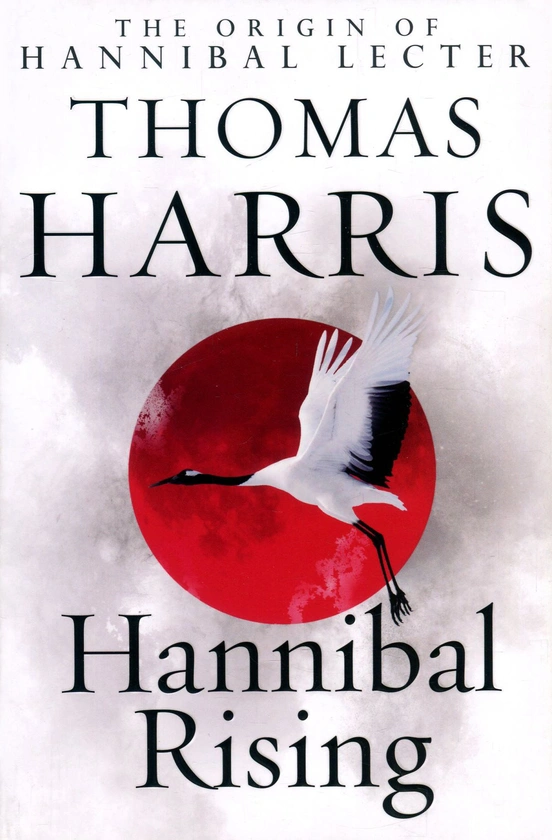
Hannibal Lecter Book4: Hannibal Rising is a dark psychological thriller about the making of one of fiction’s most chilling minds. Thomas Harris turns back to the ruins of the Second World War to show Hannibal Lecter not first as a monster, but as a child broken by violence, hunger, silence, and memory. Found in the aftermath of the Eastern Front, mute and traumatized, Hannibal carries with him a nightmare he cannot speak, yet cannot escape. The hook is disturbing and intimate: before the mask, before the elegance, before the crimes, there was a boy in the snow with demons waiting to be named.
Hannibal Lecter Book4: Hannibal Rising Thomas Harris offers readers the origin story of Hannibal Lecter, expanding the famous thriller series by exploring childhood trauma, revenge, obsession, and the birth of a dangerous intelligence. The novel follows Hannibal from wartime devastation to a Soviet orphanage, then to France, where his uncle and Lady Murasaki offer him culture, discipline, beauty, and a fragile chance at healing. But the past is not buried; it is sharpening itself inside him.
The story begins in the chaos of war, where Hannibal’s childhood is destroyed by events too brutal for language. He survives, but survival does not mean rescue. His silence becomes part of his character: not emptiness, but pressure. What happened to his family remains locked behind trauma, and the young Hannibal appears to the world as a damaged orphan while something far more dangerous begins to form beneath the surface.
When Hannibal’s uncle finds him in a Soviet orphanage and brings him to France, the novel shifts into a different atmosphere. The world of art, manners, study, and refinement surrounds him. Lady Murasaki, elegant and controlled, becomes a crucial figure in his recovery and education. Through her, Hannibal encounters beauty, ritual, memory, and restraint, but these gifts do not erase the violence inside him. They give it form.
The plot follows Hannibal as he grows into a brilliant young man whose mind is disciplined, observant, and increasingly cold. He studies, learns languages, absorbs culture, and develops the poise that later becomes part of his terrifying charm. Yet his inner life is ruled by recurring images of the past. The demons that visit him are not vague fears; they are tied to specific acts, specific faces, and a debt his wounded mind demands be paid.
In the middle of the novel, Hannibal Lecter Book4: Hannibal Rising book becomes more than a revenge story. It becomes a study of transformation: how trauma can distort grief into ritual, how intelligence can become a weapon, and how the search for justice can decay into something darker. Hannibal’s conflict is not simply with the men who harmed him. It is with the part of himself that begins to find purpose, clarity, and even pleasure in pursuit.
The characters around Hannibal reveal different possibilities for his future. His uncle offers family and artistic life. Lady Murasaki offers tenderness, discipline, and a moral code shaped by memory and honor. The men from his past represent a world of brutality without remorse. Hannibal stands between these influences, but the reader sees that his gifts are moving him toward a place ordinary morality may no longer reach.
The atmosphere is cold, elegant, and haunted. Snow, orphanage walls, war memories, French interiors, medical study, and moments of refined beauty create a disturbing contrast. Harris builds tension from opposites: civilization and savagery, silence and violence, taste and horror, tenderness and revenge. The result is a novel that feels both brutal and composed, like a blade hidden beneath silk.
The major themes include trauma, revenge, memory, identity, violence, refinement, and the making of evil. The book asks whether a monster is born or created, but it does not offer a simple answer. Hannibal is shaped by horror, yet his later choices carry their own chilling intelligence. The story explores the moment when pain stops seeking healing and begins seeking power.
The style is atmospheric, precise, and psychologically intense. Thomas Harris writes with attention to sensory detail, historical shadow, and the unsettling beauty that surrounds Hannibal’s development. The pacing moves from wartime nightmare to personal investigation, allowing the reader to watch memory become motive and motive become action. The thriller elements are strong, but the deeper unease comes from seeing a familiar villain’s inner architecture take shape.
What lingers after reading is the sadness and horror of origin. Hannibal Lecter Book4: Hannibal Rising does not excuse what Hannibal becomes, but it shows the emotional and historical ruins from which he emerges. The novel’s power lies in that uncomfortable closeness: the reader is invited to understand the wound without being allowed to forget the danger of what grows from it.
This novel is for readers who enjoy psychological thrillers, dark origin stories, literary crime fiction, and complex villains. It will appeal to an audience interested in Hannibal Lecter’s past, wartime trauma, revenge narratives, and stories where elegance and horror exist side by side.
One reason to read this novel is its unsettling portrait of transformation. Hannibal is not presented as a simple villain appearing fully formed. The story follows the gradual fusion of pain, intellect, refinement, and vengeance, making his evolution disturbing because it is shown step by step.
Another reason is the role of Lady Murasaki. Her presence adds beauty, discipline, and emotional complexity to Hannibal’s life. She offers him a path toward culture and restraint, but the novel uses that influence in a darker way, showing how elegance can shape violence rather than prevent it.
The book also stands out because it brings wartime history into the psychological thriller form. The horrors of the Eastern Front are not decorative background. They are the ground from which Hannibal’s silence, rage, and obsession emerge, giving the plot a bleak historical weight beneath its suspense.
Hannibal Lecter Book4: Hannibal Rising is a compelling choice for readers who want a dark, atmospheric, and unsettling exploration of a legendary fictional figure’s beginnings. It invites you into the frozen past of Hannibal Lecter, where childhood was shattered, memory became a weapon, and the first steps toward terror were taken in the name of revenge.