Відгуки і рецензії читачів
Поки немає відгуків


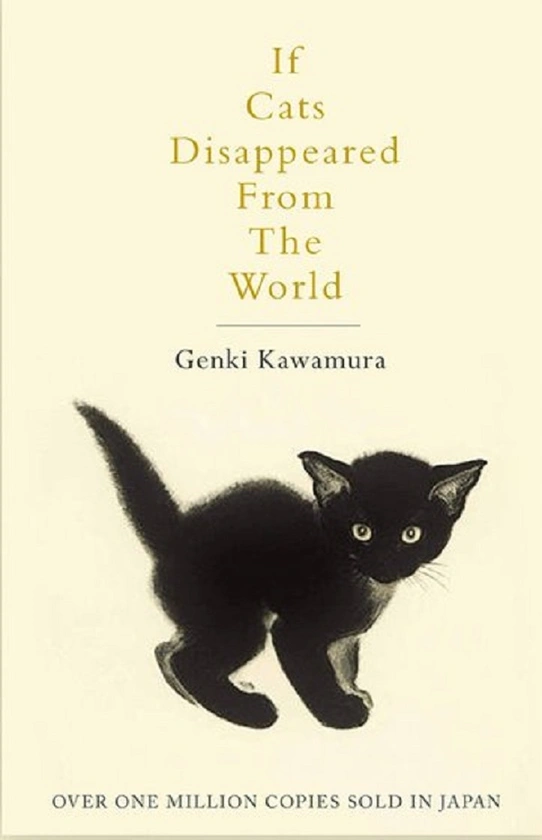
If Cats Disappeared From the World by Genki Kawamura begins with a postman whose simple life is shared with his cat, Cabbage. An unexpected diagnosis confronts him with the prospect of death. Then the Devil appears in a Hawaiian shirt and offers a bargain: make one thing disappear from the world and receive another day of life. The exchange promises more time, but it immediately raises the question of what that time will contain.
The premise turns ordinary things into matters of extraordinary significance. Something that seemed expendable may be connected to a person, an experience or a way of remembering. As the bargain continues, the narrator is invited to reconsider relationships he thought he had lost and the small presences that have made his life recognizable. Cabbage gives this meditation an intimate companion, keeping the question of disappearance close to home.
Another day becomes harder to value when its familiar connections disappear. Kawamura’s fantastical situation makes it possible to consider loss from an unusual direction: what would remain of a life if its apparently minor elements were removed? The story encourages attention to the difference between surviving longer and understanding what one wants to preserve. The Devil’s offer is simple in form, but its consequences resist an equally simple calculation.
The novel’s tenderness grows from that attention to ordinary experience. Objects and routines may carry meanings that become visible only when their absence is imaginable. Readers can approach the narrator’s choices as a way to think about memory, affection and estrangement, while remaining inside a whimsical story rather than an abstract argument. The contrast between an eccentric visitor and a deeply personal crisis gives the book its distinctive mixture of lightness and emotional weight.
Eric Selland translates Kawamura’s novel into English in this paperback edition. It will appeal to readers of short reflective fiction, Japanese literature in translation and stories that use an impossible premise to make everyday life newly noticeable. The cat’s presence is part of a wider exploration of attachment: the book asks what connects a person to the world, including relationships that have become difficult or distant.
Buy this book for an imaginative, intimate read about the things people hold onto when time becomes uncertain. The emotional interest lies less in finding a clever answer to the bargain than in watching the narrator’s understanding of his own life change. It can prompt a thoughtful conversation about what seems ordinary until it is threatened with disappearance. Kawamura leaves room for affection and sorrow together, allowing a quiet life with a cat to open onto larger questions about love, regret and the meaning of one more day.