Відгуки і рецензії читачів
Поки немає відгуків


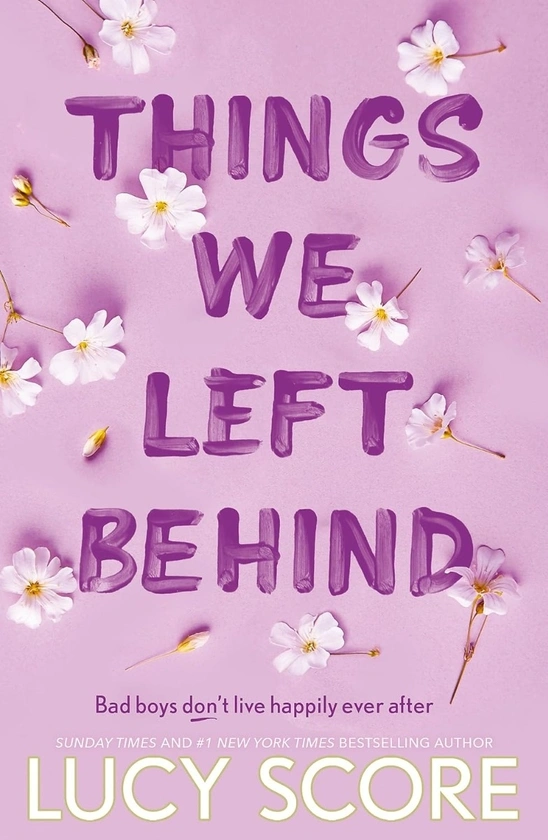
Knockemout Book3: Things We Left Behind is a steamy enemies-to-lovers small-town romance about old secrets, unfinished desire and the dangerous pull between a powerful mogul and the librarian who has never stopped getting under his skin.
Knockemout Book3: Things We Left Behind Lucy Score brings the Knockemout series to Lucian Rollins and Sloane Walton, two people bound by a dark past, divided by pride and forced to face the truth that hate and longing can burn with the same heat.
The plot follows Lucian Rollins, a controlled and ruthless businessman who has built his life around power, money and distance. He is determined to erase the stain left by his father and protect himself from every possible threat. His empire is not only a sign of success; it is armour, built piece by piece so no one can ever make him helpless again.
Sloane Walton, the sharp and determined small-town librarian, is the one woman who can break through that armour. She is carrying on her father’s search for justice and trying to understand what Lucian once did to, or for, her family. Their shared history is painful, complicated and full of unanswered questions, making every conversation between them feel like a challenge neither wants to lose.
The central conflict grows from an old secret and the fierce resentment that followed it. Sloane does not trust Lucian, and Lucian would rather burn than ask her for anything. Yet their anger is tangled with years of attraction, memory and unfinished feeling. When bickering turns into something far more intimate, both of them must confront the fact that chemistry does not care about pride.
In the middle of the narrative, Knockemout Book3: Things We Left Behind book becomes more than a romance about enemies becoming lovers. It becomes a story about the damage people inherit, the ways they try to protect others by disappearing, and the emotional cost of deciding that solitude is safer than love.
Lucian believes broken men break women, and that belief shapes every choice he makes around Sloane. He wants her fiercely, but he is convinced that staying away is the only way to keep her safe. Sloane, however, is not someone who accepts decisions made on her behalf. She wants answers, respect and a future that belongs to her, not one controlled by Lucian’s fear.
The story also brings the larger Knockemout atmosphere back into focus: loyal friends, messy family ties, small-town gossip, unresolved danger and a community that refuses to stay politely out of anyone’s business. As threats gather and secrets surface, Lucian learns that walking away from Sloane may not protect her at all. It may only leave her exposed to dangers he should have faced with her.
The atmosphere is tense, passionate and emotionally charged, with the familiar warmth of Knockemout sharpened by darker history. The town is still funny, intrusive and full of personality, but this story carries a more intense edge because Lucian and Sloane’s connection has been burning beneath the surface for years.
The main themes include trust, revenge, family secrets, trauma, emotional self-protection, second chances and the courage to stop letting the past decide the future. The conflict is rooted in love and fear at the same time: Lucian wants control because he has seen what damage can do, while Sloane wants truth because she refuses to live inside someone else’s silence.
Lucy Score’s style blends sharp banter, high heat, romantic suspense and emotional vulnerability. The story moves between arguments, longing, danger, humour and painful honesty, creating a rhythm that suits two characters who are too proud to surrender easily but too connected to walk away cleanly.
Lucian is memorable because his polished control hides a man shaped by violence, shame and relentless responsibility. Sloane is compelling because she is intelligent, stubborn and brave enough to challenge him even when doing so hurts. Their romance works because neither character is simple, and neither can truly heal without facing what was left behind.
For the audience, the book offers the satisfaction of a long-awaited couple finally forced into the open. It is a romance of sparks, secrets and hard-earned trust, where the emotional payoff comes from watching two guarded people stop fighting the truth of what they mean to each other.
This novel is ideal for readers who enjoy small-town romance, enemies-to-lovers tension, protective but emotionally damaged heroes, strong heroines, family secrets and love stories with both heat and history. It suits an audience that wants chemistry, banter and deeper emotional stakes in the same book.
It will also appeal to fans of connected romance series, especially readers who have followed Knockemout from the beginning and want the full story behind Lucian and Sloane. Those who enjoy romantic suspense, found family, second chances and characters who must fight their own fears before they can choose love will find this finale especially rewarding.
Knockemout Book3: Things We Left Behind is a compelling choice for readers asking why read the final romance in this beloved small-town series. It offers secrets, sparks, heartbreak and hard-won hope, inviting readers back to Knockemout for a love story about two people who must face the past before they can claim the future they have always been afraid to want.