Відгуки і рецензії читачів
Поки немає відгуків


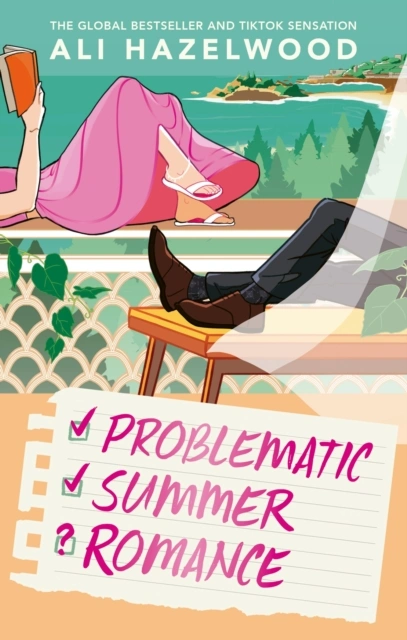
Problematic Summer Romance is a sharp, sun-drenched contemporary romance set in Sicily, where a forbidden crush, a destination wedding and one forced week in a villa turn what should be wrong into something that feels dangerously right.
Problematic Summer Romance Ali Hazelwood follows Maya Killgore, a twenty-three-year-old grad student still figuring out her future, and Conor Harkness, a successful biotech professional fifteen years older than her, as old longing, careful boundaries and inconvenient chemistry collide on the Ionian coast.
The plot begins with a situation Maya knows is full of clichés. She is younger, still uncertain, still building her life. Conor is older, established, successful and connected to her family as her brother’s best friend. On paper, every part of her attraction to him looks like a bad idea. Conor agrees, and he has made it clear more than once that the imbalance between them is too complicated to ignore.
Maya, however, cannot stop thinking about him. Her feelings are frustrating, embarrassing and persistent, especially because Conor seems determined to keep distance between them. He frames their connection as problematic, but not everything about his behaviour is as simple as rejection. The tension between what he says and what he hides becomes one of the story’s most compelling emotional threads.
The central conflict intensifies when Maya’s brother decides to get married in Taormina, bringing Maya and Conor into the same romantic Sicilian setting for more than a week. A villa, ancient ruins, sea air, natural caves, wedding chaos and delicious food create the kind of atmosphere that makes avoidance nearly impossible. The plan is not romance; the result is much harder to control.
In the middle of the narrative, Problematic Summer Romance book becomes a story about power, perception and choice. Maya decides that a summer fling may be exactly what she needs, even if everyone, including Conor, could list the reasons it should not happen. But the more time they spend together, the more the emotional question shifts from whether the situation is complicated to whether fear is the only reason they are pretending it cannot be real.
Conor’s conflict gives the romance its restraint. He is not unaware of Maya, nor indifferent to her, but he is cautious about the age gap, the family connection and the possibility of hurting someone still finding her place in life. Maya’s conflict is different: she wants to be taken seriously, not treated like a mistake waiting to happen or a girl who cannot know her own heart.
Published in 2025, the novel is connected to Ali Hazelwood’s Not in Love world and centers on Maya and Conor’s story. It blends age-gap tension, brother’s-best-friend complications, destination-wedding chaos and the author’s familiar mix of wit, longing, high-achieving characters and emotionally charged romance.
The atmosphere is romantic, bright and deliciously tense, with Sicily giving the story a sensory richness. Taormina, the Ionian coast, warm weather, wedding events, shared spaces and holiday beauty create a setting that feels made for temptation, but the emotional stakes keep the romance from becoming only a carefree escape.
The main themes include desire, maturity, agency, power imbalance, family loyalty, self-definition, longing and the difference between caution and fear. The conflict is not simply that Maya and Conor want each other; it is that both must decide whether the reasons to stay apart are protective, performative or no longer true.
Ali Hazelwood’s style is witty, intimate and emotionally direct. The story uses banter, internal tension, close proximity and romantic frustration to build heat, while keeping the characters’ doubts in focus. The result is a romance that knows its premise is controversial and lets the characters wrestle with that complexity rather than pretending it does not exist.
Maya is memorable because she is not only a younger heroine with a crush. She is self-aware, impatient with being underestimated and still honest about the uncertainty of her life. Conor is compelling because his restraint is part of the attraction and part of the problem: he wants to do the right thing, but the line between principle and avoidance becomes increasingly difficult to defend.
For the audience, the novel offers the pleasure of a forbidden summer romance with real emotional friction. The beauty of the setting heightens the fantasy, while the age gap, family ties and hidden feelings give the plot its tension and make every step toward intimacy feel charged with consequence.
This novel is ideal for readers who enjoy contemporary romance, destination-wedding settings, age-gap tension, brother’s-best-friend dynamics, forced proximity and summer flings that become more emotionally complicated than planned. It suits an audience looking for heat, banter and romantic conflict with self-aware characters.
It will also appeal to fans of Ali Hazelwood’s modern romance voice, especially readers who enjoy intelligent heroines, controlled heroes, sharp chemistry and stories that turn an uncomfortable premise into a character-driven exploration of desire, agency and trust.
Problematic Summer Romance is a compelling choice for readers asking why read a forbidden summer romance with wit and heat. It offers longing, tension, Sicilian beauty and the thrill of watching two people test whether what looks wrong from the outside can still become something honest, chosen and deeply right.