Відгуки і рецензії читачів
Поки немає відгуків


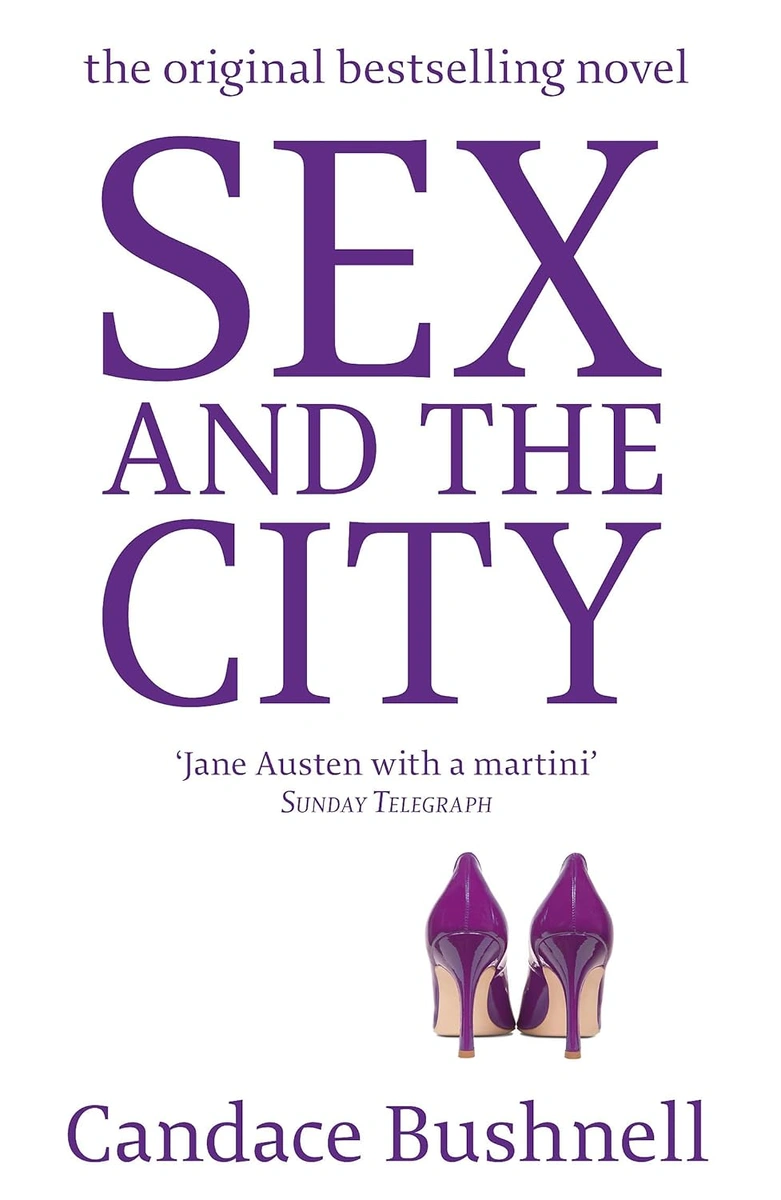
Sex and the City is a sharp, glamorous, and unsentimental portrait of New York women looking for love in a world that keeps turning romance into performance. Built from Candace Bushnell’s famously candid observations of dating culture, the book follows Carrie, Miranda, Samantha, and their circle through parties, bars, expensive weekends, flirtations, disappointments, and the uneasy question behind the sparkle: what does lasting connection mean in a city designed for constant desire?
Sex and the City Candace Bushnell gives readers more than a story about stylish women and wealthy men. It is a witty social chronicle about ambition, status, sex, friendship, and emotional risk, told with a cool, ironic style that captures the speed and self-protection of urban life. The novel grew out of Bushnell’s 1990s newspaper column and later became the basis for the celebrated screen world associated with Carrie Bradshaw, but on the page it remains sharper, more satirical, and more focused on the habits of a particular social scene.
The plot moves through the clubs, restaurants, apartments, holiday houses, and late-night conversations of Manhattan’s professional elite. Carrie and her friends are successful, attractive, and socially fluent women in their thirties, but their polished lives do not protect them from confusion. They can move through fashionable rooms with confidence, yet the rules of intimacy around them are unstable, often cruel, and rarely honest.
At the center of the story is the search for love among men who seem available only on the surface. The characters meet bachelors who are charming, rich, clever, and desirable, but many of them resist commitment with almost professional discipline. Dating becomes a game of timing, image, pride, and emotional negotiation, where everyone wants to win without admitting how much they might lose.
Carrie stands near the heart of this world as a writer, observer, participant, and occasional victim of her own romantic imagination. Through her encounters and conversations, the reader sees a social universe where women are expected to be independent but still judged by relationships, where men enjoy freedom while avoiding responsibility, and where every party may hide both opportunity and humiliation.
Miranda, Samantha, and the wider circle of stylish friends expand the novel’s view of desire and survival. Their experiences show different strategies for navigating the same conflict: how to remain desirable without becoming dependent, how to be open without being foolish, and how to protect the self while still wanting love. The characters are glamorous, but the anxieties beneath that glamour feel pointed and recognizable.
In the middle of the narrative, Sex and the City book becomes less about luxury itself and more about the emotional cost of living inside a culture that treats romance like a marketplace. The Hamptons, Aspen, cocktail lounges, and private parties are not only attractive settings; they are stages where status, beauty, money, and longing are constantly measured. The result is a plot built from episodes, conversations, and social encounters that reveal the deeper loneliness beneath the high life.
The atmosphere is glittering, fast, funny, and often ruthless. Bushnell presents New York as a place of possibility and exposure, where every night can turn into a story and every relationship can become a lesson in power. The mood is not purely romantic; it is satirical, observant, and edged with disappointment. Behind the champagne and designer surfaces is a city full of people trying not to look vulnerable.
The main themes include love, sex, friendship, ambition, class, gender roles, beauty, aging, and the tension between freedom and commitment. The novel asks whether independence can coexist with the desire to be chosen, and whether modern dating gives women more power or simply new ways to be judged. It also explores how friendship becomes a private shelter when romance repeatedly fails to deliver what it promises.
Bushnell’s style is crisp, witty, and socially alert. She writes in short, vivid scenes that feel like overheard conversations from a world where everyone performs confidence. Her tone can be playful, but it is rarely naïve. The humor often works because it exposes uncomfortable truths: people say they want love, but often chase status; they say they want honesty, but survive through masks.
The characters are compelling because they are not softened into simple romantic heroines. They can be clever, selfish, loyal, vain, wounded, funny, and brave within the same chapter. Their contradictions create the energy of the book. They want pleasure, safety, admiration, independence, and devotion, even when those desires pull against one another.
Who this book is for
This novel is for readers who enjoy social satire with style, bite, and a strong sense of place. It will appeal to an audience interested in New York nightlife, modern relationships, female friendship, and the complicated rituals of dating among ambitious adults. Readers who expect a conventional love story may be surprised by its coolness, but those who enjoy irony and observation will find the voice distinctive.
It is also a strong choice for readers curious about the literary origin of one of the most recognizable relationship stories in popular culture. The book offers a more fragmented, sharper view than a simple romance: it is about the stories people tell themselves to keep dating, hoping, desiring, and surviving in a city that rewards confidence but rarely guarantees tenderness.
Why you should read it
Sex and the City remains engaging because it understands that glamour and loneliness can exist in the same room. Its world is filled with cocktails, parties, weekend escapes, and magnetic people, but the real drama lies in the private aftermath: the unanswered call, the wrong man, the competitive comparison, the hope that this time may be different.
The book is worth reading for its sharp dialogue, memorable atmosphere, and clear-eyed view of how people behave when love is tangled with status. Bushnell captures the comedy and cruelty of dating without pretending that independence removes the need for affection. Her characters may live brightly, but their questions are intimate: Who chooses whom? What is freedom worth? And how much disappointment can desire survive?
For readers looking for a clever, stylish, and unsparing novel about modern love, this book offers a vivid invitation into a city where everyone seems to be searching, performing, and protecting a secret hope. Open it for the sparkle, stay for the wit, and leave with a deeper sense of how desire changes when it becomes part of the city’s rhythm.