Відгуки і рецензії читачів
Поки немає відгуків


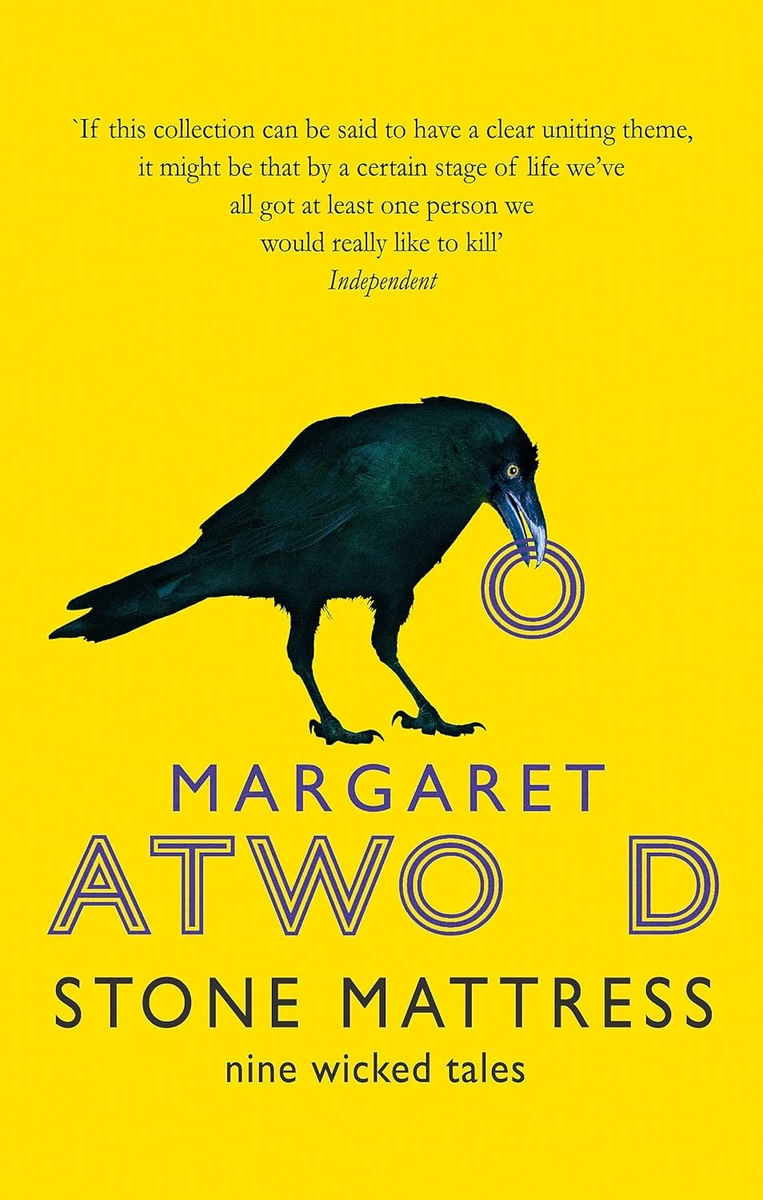
Stone Mattress is a darkly witty and seriously playful collection of nine tales about age, memory, revenge, desire, fear, and the uncanny shadows that gather around ordinary lives. Margaret Atwood moves between realism, fable, psychological suspense, and the grotesque, creating stories where the past refuses to stay buried and where the strange often reveals truths that polite reality tries to hide.
Stone Mattress Margaret Atwood offers readers a sharp short fiction collection first published in 2014, written by one of contemporary literature’s most distinctive voices. The book includes linked and standalone tales, moving from a widowed fantasy writer guided by her dead husband’s voice to an Arctic act of revenge involving an ancient stromatolite, all shaped by Atwood’s unmistakable intelligence, irony, and control.
The plot of the collection is not one continuous story, but a sequence of nine tales connected by atmosphere, moral tension, and recurring concerns. In one story, a recently widowed fantasy author faces a stormy winter evening while still hearing the voice of her late husband. The scene is intimate and uncanny, using grief not as pure sorrow, but as a strange form of company, habit, and survival.
Other tales move into darker and more eccentric territory. An elderly woman living with Charles Bonnet syndrome sees small figures while danger gathers around her retirement residence. A woman born with a genetic condition is treated as monstrous by those around her. A long-ago crime returns in old age, when memory, anger, and opportunity meet in an Arctic landscape older than human justice.
The central conflict throughout the collection is the pressure of the past on the present. Characters may be elderly, famous, forgotten, ill, widowed, lonely, or underestimated, but they are rarely finished. Old injuries remain active. Former lovers still matter. Humiliations can harden into strategy. Social invisibility can become cover. Atwood gives her older characters not softness alone, but appetite, wit, rage, imagination, and dangerous agency.
In the middle of the reading experience, Stone Mattress book becomes more than a set of darkly entertaining stories. It becomes a meditation on what people carry through time: shame, vanity, talent, resentment, grief, and unresolved desire. The collection asks what happens when life has been long enough for consequences to ripen, and when people who seem harmless are still capable of invention, cruelty, tenderness, or revenge.
The characters are memorable because they are neither sentimental nor simple. Atwood writes widows, writers, aging women, selfish men, damaged survivors, performers, victims, and predators with a clear eye for contradiction. Her tales often begin with recognizable situations, then tilt toward the uncanny or the morally unsettling, revealing how close the ordinary world can be to nightmare, myth, or farce.
The atmosphere is eerie, clever, coldly comic, and full of hidden menace. Atwood’s stories often feel civilized on the surface: homes, literary careers, retirement residences, trips, conversations, memories, and social rituals. Yet beneath those surfaces are wounds, fantasies, grudges, bodily fears, and the possibility that justice may arrive in forms no court would recognize.
The main themes include revenge, aging, grief, gender, power, storytelling, memory, mortality, illness, fear, and the unstable boundary between realism and fantasy. The book asks how stories shape identity, how people revise their pasts, and how the vulnerable may become dangerous when no one is watching carefully.
Atwood’s style is precise, ironic, and richly controlled. She can make a sentence feel elegant and venomous at once, turning small observations into revelations of character. The collection draws on traditions of fable, gothic fiction, dark comedy, and psychological suspense, but it remains unmistakably contemporary in its attention to gender, social performance, and self-deception.
The conflict beneath the style is the struggle between the stories people tell about themselves and the truths those stories conceal. A person may believe they are innocent, wounded, practical, romantic, civilized, or wronged, yet Atwood keeps exposing the darker motives underneath. Her humor sharpens rather than softens the unease.
Who this book is for. This collection is ideal for readers who enjoy literary short fiction with dark humor, psychological tension, gothic undertones, and unexpected turns. It will appeal to an audience interested in stories about aging, revenge, gender, memory, fantasy, and the strange emotional afterlife of old wounds.
It is also a strong choice for readers who appreciate Atwood’s shorter work and want fiction that is compact but layered. Those who enjoy tales that shift from realistic detail into the uncanny, the macabre, or the morally ambiguous will find this collection especially rewarding.
Why you should read it. Stone Mattress stands out because it gives age and experience a dangerous edge. Atwood refuses to treat older characters as merely passive, wise, or diminished. Instead, they remember, scheme, desire, misread, punish, mourn, and invent, making the collection feel both mischievous and deeply serious.
Another reason to read it is the range of the tales. The book can be funny, chilling, tender, grotesque, and sly within the space of a few pages. Atwood’s control of tone allows each story to surprise without feeling random, and her darker turns often reveal emotional truths that a more conventional realistic story might leave untouched.
For readers seeking a smart, strange, and darkly entertaining collection, this book offers stories that linger like half-heard warnings. Enter Atwood’s shadowed world of writers, widows, survivors, monsters, and revengers, and discover how the past can wait patiently until the perfect moment to speak.