Відгуки і рецензії читачів
Поки немає відгуків


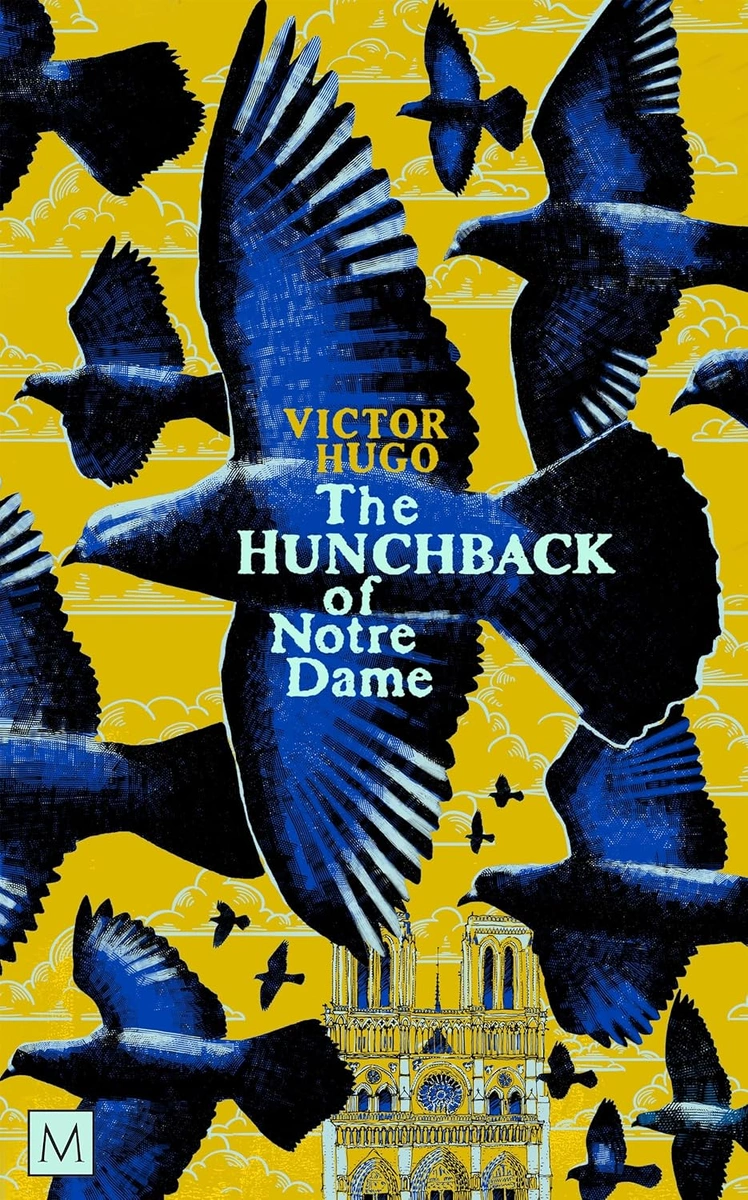
The Hunchback of Notre-Dame is a sweeping historical Gothic novel about beauty, cruelty, obsession, faith, and the human lives hidden in the shadow of a great cathedral. Victor Hugo sets the story in fifteenth-century Paris, where Notre-Dame is not merely a backdrop but a living symbol of the city’s memory, power, injustice, and tragic grandeur.
The Hunchback of Notre-Dame Victor Hugo offers an emotionally powerful plot centered on Quasimodo, Esmeralda, Claude Frollo, and the society that judges, desires, fears, and misunderstands them. The novel combines romance, social drama, architectural passion, and moral conflict in an atmosphere where compassion and cruelty move toward a devastating collision.
The story unfolds in medieval Paris, a city of crowded streets, public spectacles, religious authority, poverty, rumor, and sharp divisions between those with power and those pushed to the margins. Above it all rises Notre-Dame Cathedral, a place of sanctuary, judgment, beauty, and silence. Its bells, towers, stones, and shadows shape the lives of the characters as strongly as any ruler or law.
Quasimodo, the deformed bell-ringer of Notre-Dame, lives apart from ordinary society. Rejected and mocked because of his appearance, he finds a kind of safety inside the cathedral under the authority of Archdeacon Claude Frollo. Yet that safety is fragile, because isolation cannot protect him from longing, shame, loyalty, and the pain of being treated as less than human.
Esmeralda, a young Romani dancer, becomes the emotional center of the plot. Her beauty, kindness, and independence attract attention from men who do not truly understand her. To Quasimodo, she represents mercy and light. To Frollo, she becomes the object of a destructive obsession. To the world around her, she is often seen through prejudice, fantasy, and accusation rather than truth.
In the middle of the narrative, The Hunchback of Notre-Dame book becomes a tragedy of desire and misrecognition. Quasimodo saves Esmeralda and brings her into sanctuary within the cathedral, but the same walls that protect her also intensify the conflict around her. Love, gratitude, jealousy, religious guilt, and social hatred gather until every character is forced toward choices that reveal the deepest parts of the human heart.
Claude Frollo is one of the novel’s most disturbing figures because his learning and authority do not make him wise or compassionate. His obsession with Esmeralda twists spiritual discipline into possession and fear. Through him, Hugo explores the danger of desire denied, power corrupted, and morality used as a mask for cruelty.
The wider city is also central to the story. Crowds, courts, soldiers, beggars, students, clergy, and rulers all create pressure around the main characters. The novel’s conflict is not limited to private feeling; it grows from the way society punishes difference, turns spectacle into judgment, and often chooses violence over mercy.
The atmosphere is Gothic, tragic, and richly historical. Paris feels noisy, dangerous, theatrical, and alive, while Notre-Dame stands above it as both refuge and witness. The cathedral’s architecture carries emotional weight, making stone, shadow, height, and bells part of the novel’s style as well as its setting.
The major themes include compassion, exclusion, obsession, justice, fate, religious authority, social prejudice, beauty, and the preservation of cultural memory. Hugo asks readers to look at those whom society names monstrous and to question whether true monstrosity may instead belong to cruelty, hypocrisy, and the abuse of power.
Victor Hugo’s style is expansive, dramatic, descriptive, and deeply Romantic. The novel moves between intimate emotion and broad historical vision, between the private suffering of characters and the larger life of Paris. Its pacing allows room for architecture, crowds, symbols, and moral reflection, creating a world that feels vast rather than merely plotted.
The characters are memorable because each carries a painful contradiction. Quasimodo is feared for his appearance yet capable of profound tenderness. Esmeralda is adored by many but understood by few. Frollo is learned yet spiritually deformed by obsession. These contrasts give the story its enduring emotional force.
For the audience, the power of the novel lies in the way it refuses simple beauty. It is romantic but not comforting, dramatic but not shallow, and tragic because its characters are trapped by prejudice, power, and their own impossible desires. The book’s atmosphere remains unforgettable because it turns a cathedral into the silent heart of human suffering.
Who this book is for
This novel is ideal for readers who enjoy classic literature, Gothic fiction, historical settings, tragic romance, and morally complex characters. It will appeal to anyone drawn to stories where architecture, society, and emotion are inseparable, and where the plot reveals the cost of judging people by surfaces.
It is also a strong choice for readers interested in French Romanticism, medieval Paris, social criticism, and novels with a grand sense of place. The book’s audience includes those who want a work that combines dramatic storytelling with reflections on justice, faith, desire, and the endurance of art.
Why read it
The novel is worth reading because it offers far more than the familiar image of a bell-ringer in a tower. It is a powerful study of how people love, fear, condemn, and destroy what they do not understand. Its emotional force comes from the contrast between the grandeur of Notre-Dame and the vulnerability of the lives gathered beneath it.
The Hunchback of Notre-Dame is a compelling choice for readers ready to enter a story of longing, mercy, and tragedy beneath the towers of Paris. It invites you to see beyond appearances, listen to the bells of Notre-Dame, and encounter a novel where stone remembers what society tries to forget.