Відгуки і рецензії читачів
Поки немає відгуків


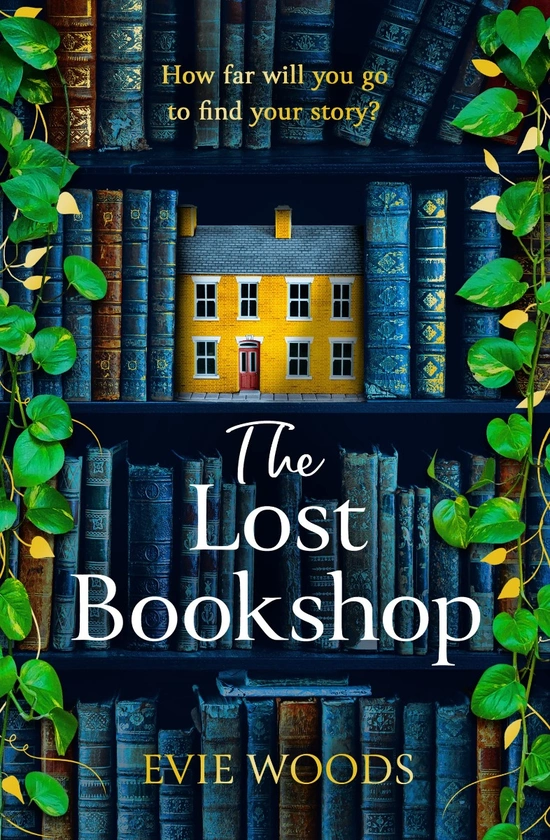
The Lost Bookshop is a magical, book-loving novel about hidden lives, vanishing places, and the quiet courage it takes to become the main character of your own story. On a quiet street in Dublin, a mysterious bookshop waits to be found, drawing together Opaline, Martha, and Henry, three people who have spent too long feeling pushed to the margins of their own lives. What begins as a search for shelves, stories, and missing answers becomes a journey through memory, wonder, and the healing power of books.
The Lost Bookshop Evie Woods offers readers an evocative blend of mystery, magical realism, historical fiction, and emotional discovery. The novel moves between past and present, connecting Opaline’s struggle for freedom with Martha’s need for safety and Henry’s search for a literary secret. Its promise is gentle but powerful: books can open doors not only into imagined worlds, but also into versions of ourselves we have been too afraid to claim.
Opaline’s story begins in an earlier era, when a woman’s independence can be treated as a threat. She longs for a life shaped by books, movement, and choice, not by the control of others. Her path leads her through the world of rare books and literary circles, but freedom is never simple. The past she tries to escape keeps reaching for her, and every step toward selfhood demands courage.
In contemporary Dublin, Martha arrives with wounds of her own. She is trying to leave behind a painful chapter and find a place where she can breathe again. Her work in an old house brings her close to secrets that do not behave like ordinary history. The city around her feels familiar and strange at once, as if certain doors can only be opened by people who truly need them.
Henry is drawn to Dublin by research, curiosity, and the possibility of a lost bookshop connected to a literary mystery. His search is intellectual at first, but it soon becomes personal. As he and Martha begin to follow traces of Opaline’s life, the plot deepens into a story about hidden women, missing records, and the way the past can wait patiently until the right readers appear.
In the middle of the novel, The Lost Bookshop book becomes more than a tale about a magical shop. It becomes a layered story about people who have been underestimated, silenced, or forced to live smaller lives than they deserved. The bookshop itself feels almost alive, appearing less like a simple building and more like a guardian of unfinished stories.
The characters are connected by longing: Opaline wants freedom, Martha wants renewal, and Henry wants truth. Their journeys unfold through secrets, old books, fragile trust, and moments of wonder. The central conflict is not only about finding a missing place, but about whether these characters can believe they are worthy of a larger, braver life.
The atmosphere is warm, mysterious, and gently enchanted. Dublin becomes a city of hidden corners and quiet magic, where an ordinary street may hold a doorway into something extraordinary. The novel’s charm comes from the feeling that books are not passive objects here; they carry memory, possibility, and the power to guide lost people toward themselves.
The main themes include self-discovery, courage, domestic confinement, literary passion, friendship, healing, and the search for belonging. The story explores how people survive after being diminished by others, and how imagination can become a form of resistance. Its emotional heart lies in the idea that a life can be rewritten, not by denying pain, but by finding the strength to step beyond it.
The style is lyrical, accessible, and immersive, with a balance of historical detail and fairy-tale softness. The narrative shifts between characters and timelines, allowing the mystery to build slowly while the emotional connections grow clearer. This gives the novel a layered rhythm: part treasure hunt, part personal recovery, part love letter to readers who know that books can change the shape of a life.
What lingers after reading is the belief that stories can rescue what the world has tried to erase. The novel treats books as companions, clues, shelters, and keys. It is not only about finding a lost shop; it is about finding the courage to enter the story that has been waiting for you.
This novel is for readers who enjoy bookshop fiction, magical realism, historical mysteries, and stories about women reclaiming their voices. It will appeal to an audience that likes gentle wonder, emotional depth, literary secrets, and characters who grow through connection rather than spectacle.
One reason to read this novel is its celebration of the imagination. The story understands why readers love bookshops: they are places of discovery, comfort, and possibility. Here, shelves are not just shelves, and a lost volume may carry the beginning of a new life.
Another reason is the emotional balance between magic and real pain. Martha’s need for safety, Opaline’s fight for independence, and Henry’s search for meaning give the plot weight beyond its enchanting premise. The wonder works because it grows from human need, not from decoration.
The novel also succeeds because it gives each central character a meaningful arc. Opaline’s past, Martha’s present, and Henry’s investigation connect in ways that reveal how stories survive through people who care enough to seek the truth. Their separate paths gradually form one larger pattern of resilience.
The Lost Bookshop is a charming and heartfelt choice for readers who want mystery, warmth, and literary magic in one story. It invites you onto a quiet Dublin street where the right book may open the right door, and where people who once felt like side characters can finally begin to live as if their own stories matter.