Відгуки і рецензії читачів
Поки немає відгуків


The Making of a Manager is a practical, honest, and reassuring handbook for anyone suddenly responsible for leading other people. Julie Zhuo writes from the experience of becoming a manager at twenty-five, when confidence quickly gave way to difficult decisions, awkward conversations, hiring doubts, feedback mistakes, and the realization that good leadership is learned through practice.
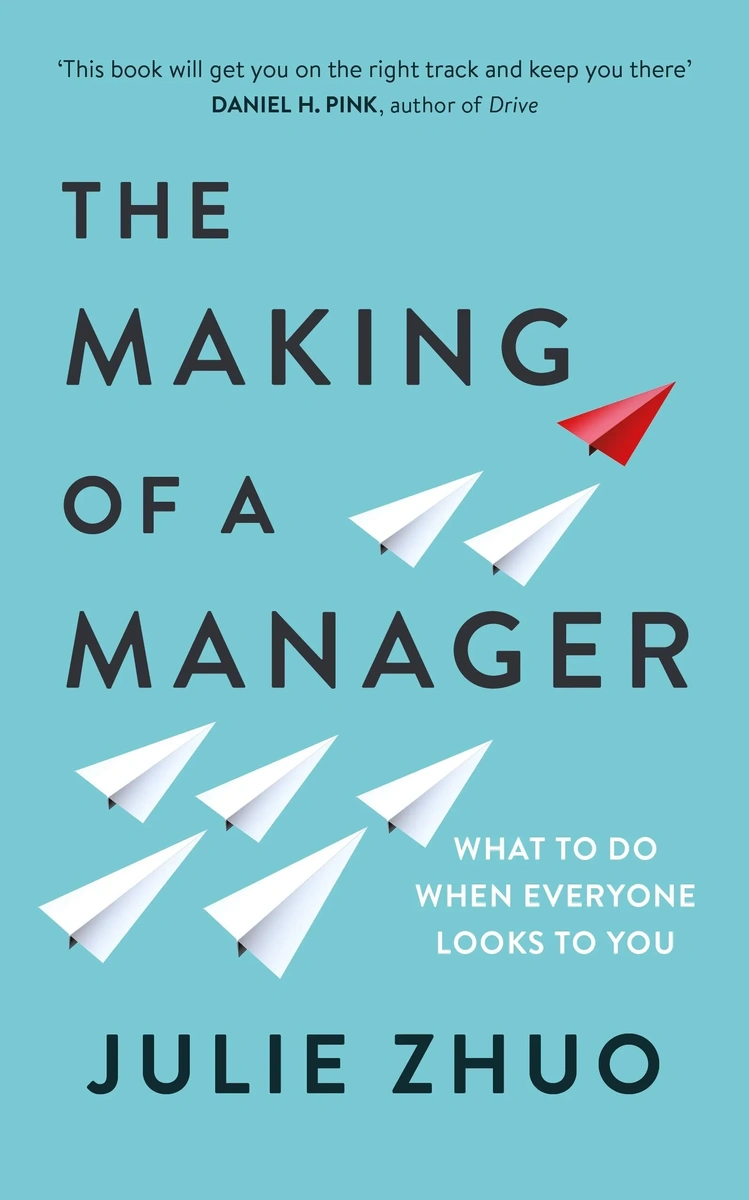
The Making of a Manager Julie Zhuo offers readers a clear guide to the first challenges of management, from building trust with a team to giving feedback, running meetings, hiring well, and handling conflict. First published in 2019, the book is shaped by Zhuo’s experience in product design leadership and is especially useful for new managers who want practical advice without corporate jargon.
The plot of this nonfiction guide begins with a familiar professional shock: a capable individual contributor is promoted and suddenly everyone looks to them for answers. Zhuo remembers the excitement of receiving a leadership role, followed by the anxiety of realizing that she had little formal preparation for managing people. Her co-workers became direct reports, and ordinary work became filled with new responsibilities.
The book explains that management is not about having all the answers or appearing constantly in control. A manager’s real work is to help a group of people achieve a shared purpose. That means understanding what success looks like, supporting individuals, improving processes, and creating conditions where the team can do better work together than they could do separately.
A central conflict in the book is the difference between wanting to be liked and needing to lead well. New managers often avoid hard conversations because they fear damaging relationships, but silence can hurt a team more than honest feedback. Zhuo shows why clarity, trust, and timely communication matter, especially when someone is struggling, expectations are vague, or a difficult decision cannot be postponed.
The book also explores hiring, delegation, one-on-one meetings, performance conversations, team culture, and personal growth. Its characters are recognizable from real workplaces: the talented employee who needs coaching, the candidate who does not fit the obvious mold, the manager afraid of making the wrong call, the team member who is frustrated but quiet, and the leader who must learn to ask for help.
In the middle of the reading experience, The Making of a Manager book becomes especially useful because it turns vague leadership advice into concrete behavior. Zhuo explains that a manager improves not by adopting a heroic persona, but by learning how to listen, set expectations, make decisions, clarify problems, and create repeatable habits that make the team stronger.
The atmosphere is supportive, practical, and refreshingly candid. Zhuo does not present management as a glamorous promotion where authority solves problems. She describes the uncertainty, loneliness, mistakes, and emotional discomfort that often come with the role, which makes the book feel like a calm conversation with someone who remembers how confusing the first years can be.
The main themes include leadership, communication, feedback, trust, hiring, coaching, decision-making, self-awareness, team culture, and responsibility. The book asks what a manager is truly for and answers with a people-centered view: managers exist to help teams achieve outcomes while helping individuals grow in a healthy and effective environment.
Zhuo’s style is clear, structured, and accessible. She uses examples from workplace life rather than abstract theory, making the advice easy to apply. The tone is neither cynical nor overly idealistic. It recognizes that management involves trade-offs, incomplete information, and emotional pressure, but it also insists that the skills can be learned.
The conflict beneath the style is the tension between uncertainty and accountability. Managers must make decisions before everything is perfectly clear, give feedback before problems become too large, and ask for support before hiding thorny issues creates more damage. The book’s strength lies in showing that leadership is not a fixed personality type, but a set of habits that improve through reflection.
Who this book is for. This book is ideal for first-time managers, team leads, startup employees, product and design leaders, and professionals preparing for promotion. It will appeal to an audience that wants practical guidance on everyday leadership problems rather than broad motivational slogans.
It is also a strong choice for experienced managers who want to revisit the fundamentals. Readers who lead teams, mentor colleagues, conduct interviews, manage conflict, or give performance feedback will find useful reminders about how to communicate clearly and build trust intentionally.
Why you should read it. The Making of a Manager is worth reading because it makes management feel understandable without pretending it is easy. Zhuo breaks the role into specific responsibilities and helps readers see what to do when they face awkward interviews, difficult employees, unclear goals, tense feedback, or the fear of not being respected.
Another reason to read it is the book’s emphasis on honesty. Zhuo encourages managers to seek help quickly, avoid hiding problems, understand the causes behind poor collaboration, and give feedback in a way that is direct and useful. This approach makes the book valuable not only for career growth, but for healthier working relationships.
For readers seeking a grounded and encouraging guide to leadership, this book offers a useful starting point. Read it to understand what changes when people look to you, how to support a team with clarity and care, and how to grow into management one honest conversation at a time.