Відгуки і рецензії читачів
Поки немає відгуків


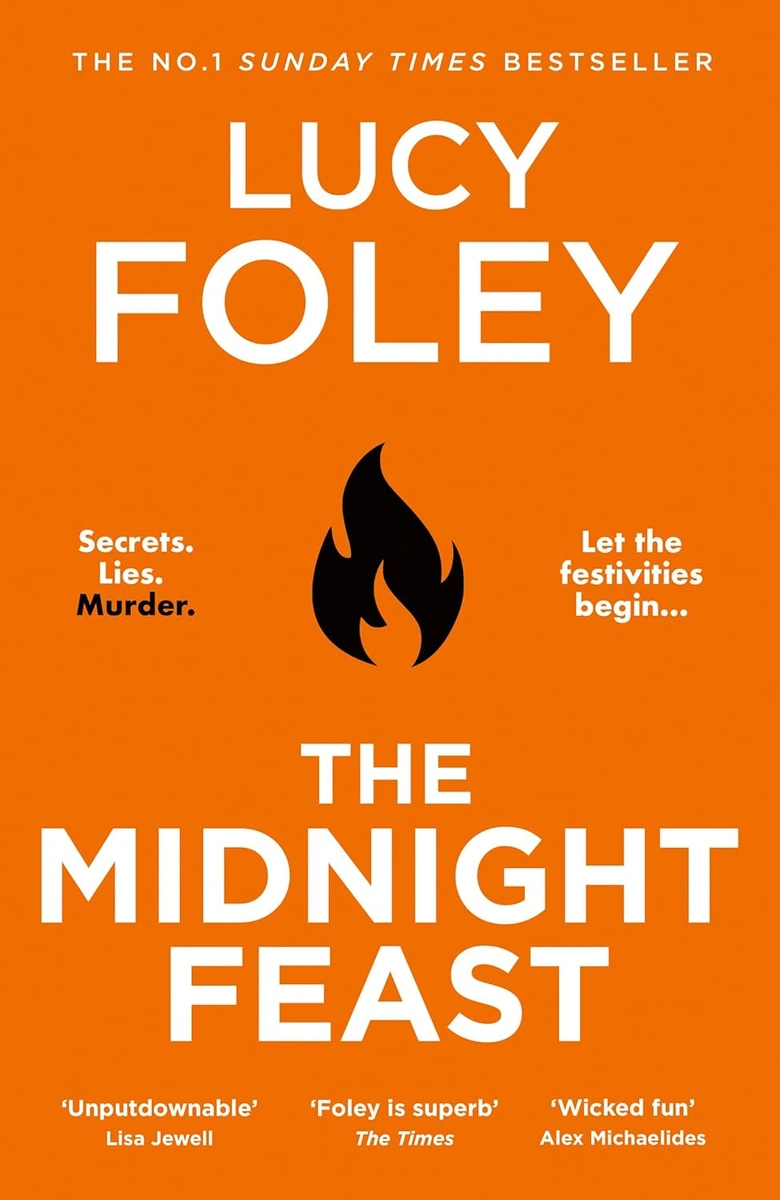
The Midnight Feast by Lucy Foley turns the opening of an exclusive Dorset retreat into a murder mystery shaped by buried resentment. At The Manor, carefully designed luxury meets an ancient woodland and a local history that cannot be tidied away. This English paperback follows a midsummer gathering whose guests have very different reasons for being there.
The retreat promises a beautiful escape. Its opening weekend brings wealthy visitors together with staff, proprietors and people connected to the surrounding community. Every welcoming detail suggests that the place can offer tranquillity on demand, but the social atmosphere is much less controlled. Old friendships, uncomfortable recognitions and private agendas begin to disturb the performance.
Foley builds the mystery around the contrast between what people display and what they remember. Some arrivals seem to belong naturally in this expensive setting; others carry grievances that the opening celebrations cannot acknowledge. The reader moves among perspectives that supply different versions of the same weekend, gradually discovering why apparently ordinary exchanges contain threats.
The midsummer festivities create a particularly uneasy stage. Sunlight and carefully arranged hospitality sit close to the darker associations of the woods. A solstice supper promises communal pleasure, yet it gathers people whose relationships are marked by unequal power. The past reaches back fifteen years, making the present danger the consequence of something more persistent than a single bad evening.
A body transforms the celebration into an investigation. Questions about responsibility extend beyond the immediate crime to the choices that brought these people together. The novel keeps its central revelations in reserve, encouraging readers to reconsider identities, motives and earlier incidents as new information emerges. Knowing the setting is exclusive offers no protection from what its polished surfaces conceal.
The narrative combines contemporary social observation with the ominous pull of local folklore. The forest gives the story a physical boundary and an atmosphere that branding cannot completely tame. Foley uses that tension to make luxury feel fragile: the grounds may be curated, but the memories attached to them remain outside any guest itinerary.
This book suits readers who enjoy a contained cast, intersecting secrets and mysteries in which atmosphere contributes to the pressure. Its appeal includes the gradual reconstruction of an older event as well as the immediate question of who has died and why. The Manor offers an especially pointed setting for a story about reinvention, because the desire to present a new identity depends on other people agreeing to forget an earlier one.