Відгуки і рецензії читачів
Поки немає відгуків


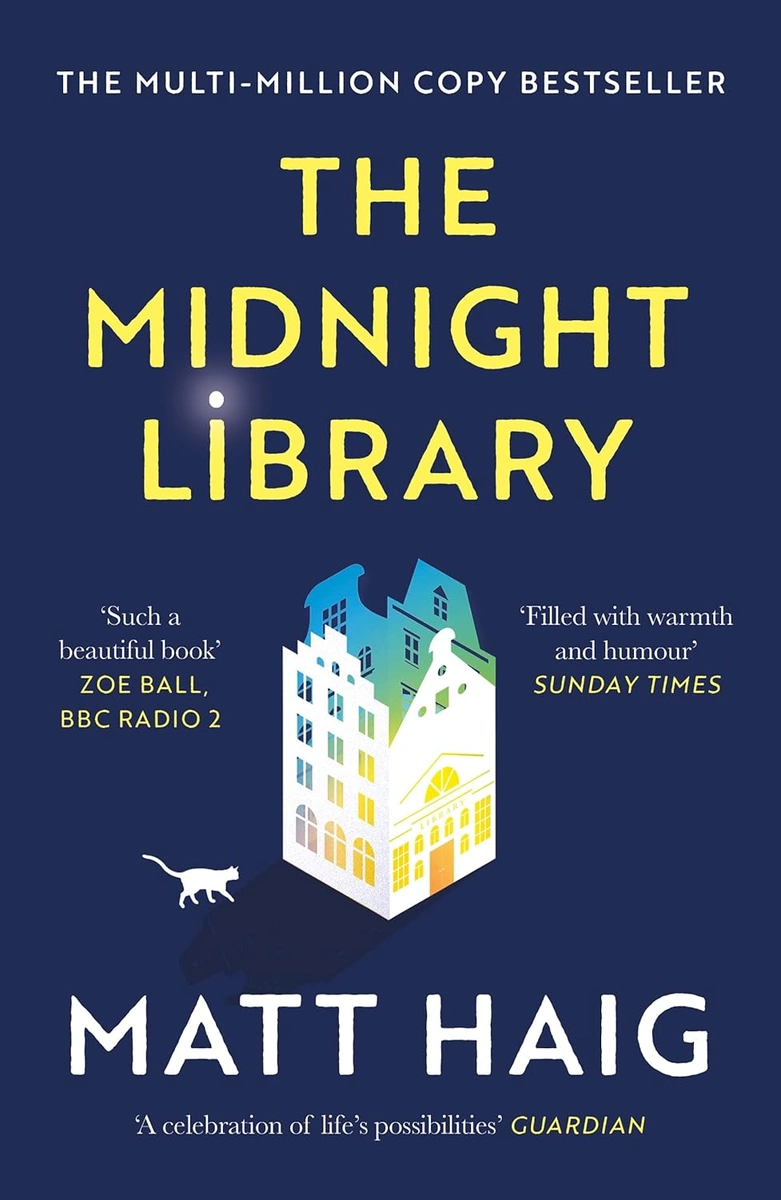
The Midnight Library is a thoughtful and emotionally resonant novel about regret, possibility, and the search for a life worth living. Matt Haig follows Nora Seed at the lowest point of her life, when she finds herself in a mysterious library between life and death, where every book offers a chance to enter one of the lives she might have lived.
The Midnight Library Matt Haig gives readers a moving blend of contemporary fiction, philosophical fantasy, and mental health reflection. First published in 2020, the novel asks a simple but profound question: if a person could undo every regret and explore every path not taken, would any of those alternative lives truly offer happiness, meaning, or peace?
The plot begins with Nora Seed feeling that her life has collapsed beyond repair. She has lost her job, damaged relationships, abandoned dreams, and become overwhelmed by the belief that she has disappointed everyone, including herself. At midnight, instead of the final emptiness she expects, Nora arrives in an extraordinary library where the shelves stretch endlessly in all directions.
The library is guided by Mrs Elm, a familiar figure from Nora’s past, who helps her understand the rules of this strange place. Each book contains a different version of Nora’s life, shaped by a choice she made or did not make. She can become the swimmer she once might have been, the musician she almost became, the partner she could have stayed with, the traveler she imagined, or the professional success she once thought would save her.
The central conflict is not simply whether Nora can find a perfect life. The deeper conflict is between regret and understanding. Every alternative existence seems, at first, to answer one of her old sorrows, but each also reveals new losses, compromises, or unexpected forms of loneliness. The novel gradually shows that a life cannot be judged only by the dreams abandoned along the way.
Through these many possible lives, Nora encounters different versions of love, ambition, fame, family, friendship, and solitude. The characters she meets are sometimes familiar and sometimes changed by the different paths she has taken. Their presence reminds her that every choice affects not only the person choosing, but also the lives that intersect with theirs.
In the middle of the narrative, The Midnight Library book becomes more than a fantasy about parallel worlds. It becomes a story about how the mind can turn regret into a prison, making every other possibility appear brighter than the present. Nora’s journey asks whether meaning is discovered in the perfect choice or created by learning to inhabit an imperfect life with honesty.
The atmosphere is quiet, magical, melancholic, and ultimately hopeful. The library itself feels calm and infinite, but it is filled with the emotional pressure of unfinished lives. Its shelves are not merely fantasy decoration; they represent the weight of every “what if” that Nora has carried and the exhausting burden of imagining that another version of herself would have been better.
The main themes include regret, depression, identity, choice, possibility, self-worth, love, failure, and the meaning of happiness. The novel explores the pain of feeling trapped in one life while believing that every other path would have led somewhere brighter. It also challenges the idea that success, admiration, romance, or escape can automatically cure inner suffering.
Haig’s style is clear, accessible, and gently philosophical. He uses a speculative premise to approach very human questions, making the story readable for a wide audience while still touching on serious emotional experiences. The prose moves with simplicity and warmth, allowing the ideas to feel intimate rather than abstract.
The conflict beneath the style is the struggle to separate genuine desire from imagined perfection. Nora learns that every life contains difficulty, even the ones that look ideal from a distance. The novel’s emotional force comes from watching her shift from asking which life would have made her happiest to asking how she might learn to live with care, attention, and possibility.
Who this book is for. This novel is ideal for readers who enjoy contemporary fiction with a speculative twist, emotionally reflective storytelling, and books about second chances. It will appeal to an audience interested in mental health, life choices, philosophical questions, and stories that turn magical ideas into personal transformation.
It is also a strong choice for readers who have ever wondered about the roads not taken. Those who think about career changes, lost relationships, abandoned talents, family expectations, or the pressure to make the “right” decision will find Nora’s journey especially relatable.
Why you should read it. The Midnight Library stands out because it turns the fantasy of unlimited choice into a compassionate examination of what it means to be human. Nora’s many lives are fascinating, but the novel’s real insight lies in showing that regret often simplifies the past and exaggerates the happiness that might have been.
Another reason to read it is the book’s hopeful treatment of despair. Haig does not pretend that pain disappears easily, but he gives the reader a story in which possibility can return slowly, through perspective, connection, and the recognition that a life does not need to be perfect to contain meaning.
For readers seeking a moving, accessible, and reflective novel, this book offers a journey through every path not taken and back toward the life already in hand. Step into Nora Seed’s library of possibilities, and discover how hope can begin when regret no longer has the final word.