Відгуки і рецензії читачів
Поки немає відгуків


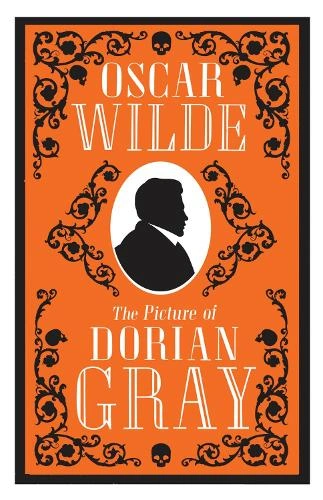
The Picture of Dorian Gray is Oscar Wilde’s only full-length novel, a brilliant Gothic and philosophical story about beauty, temptation, corruption, and the terrible price of wishing to remain untouched by time.
The Picture of Dorian Gray Oscar Wilde draws readers into a world of art, wit, luxury, and moral danger, where a young man’s desire for eternal youth becomes the beginning of a haunting conflict between appearance, conscience, and hidden decay.
The plot begins in the studio of Basil Hallward, an artist captivated by the extraordinary beauty of Dorian Gray. Basil’s portrait seems to capture not only Dorian’s appearance, but also the strange power he has over those who admire him. When Lord Henry Wotton arrives with his seductive philosophy of pleasure, youth, and sensation, Dorian begins to see his own beauty as the most precious thing he possesses.
In a moment of desire and fear, Dorian wishes that the portrait would age instead of him. This wish becomes the foundation of the novel’s central mystery. Outwardly, Dorian remains young and charming, but the painted image begins to bear the marks of time, sin, and moral ruin. The picture becomes a secret witness to everything he tries to hide from society and from himself.
The conflict is not only supernatural; it is deeply psychological. Dorian is pulled between Basil’s idealizing love of beauty, Lord Henry’s elegant cynicism, and his own growing appetite for experience without responsibility. The more he protects his flawless public image, the more terrifying the portrait becomes as a record of his inner life.
In the middle of the narrative, The Picture of Dorian Gray book turns into a study of double living. Dorian moves through drawing rooms, theatres, friendships, and private scandals while preserving the appearance of innocence. Wilde makes the reader feel the tension between what society praises and what it refuses to examine.
First published in an early form in 1890 and expanded for book publication in 1891, the novel became closely associated with Wilde’s ideas about Aestheticism. Yet it is more than a manifesto about art and beauty. It is also a dark moral fantasy about influence, vanity, secrecy, and the burden of a conscience that cannot be fully escaped.
The atmosphere is elegant, decadent, and increasingly sinister. Wilde begins with polished conversation, artistic admiration, and social brilliance, then gradually lets shadows gather behind the beautiful surfaces. London becomes a place of salons, theatres, locked rooms, whispered reputations, and dangerous freedoms.
The main themes include art, youth, beauty, influence, desire, guilt, truth, fiction, and the split between public identity and private corruption. The novel asks whether a life devoted only to pleasure can remain human, and whether beauty can survive when separated from moral responsibility.
Wilde’s style is one of the book’s great pleasures. The prose is sharp, musical, ironic, and filled with memorable paradoxes. Lord Henry’s speeches glitter with wit, but their brilliance is unsettling because they can charm the mind while weakening judgment. The style itself becomes part of the temptation that surrounds Dorian.
The characters are carefully arranged around different ideas of beauty and conscience. Basil Hallward treats art as devotion; Lord Henry turns life into performance and provocation; Dorian becomes the experiment in what happens when impressionable youth absorbs a philosophy without understanding its cost.
The portrait is the novel’s most powerful symbol. It is artwork, mirror, confession, and punishment at once. Through it, Wilde transforms the Faustian myth into a late-Victorian story of self-invention, secrecy, and spiritual damage.
This novel is ideal for readers who enjoy Gothic fiction, psychological classics, philosophical plots, and stories where beauty conceals danger. It suits an audience interested in moral ambiguity, elegant dialogue, and characters whose choices become increasingly difficult to excuse.
It will also appeal to readers of Victorian literature, students of aesthetic and decadent writing, and anyone drawn to fiction about identity, temptation, and the masks people wear in society. The book rewards both first reading and rereading because its wit, symbols, and atmosphere reveal new tensions over time.
The Picture of Dorian Gray remains a compelling choice for readers asking why read a classic that still feels modern. It offers elegance, unease, brilliant language, and a haunting vision of what can happen when a person wants beauty without truth and freedom without consequence.