Відгуки і рецензії читачів
Поки немає відгуків


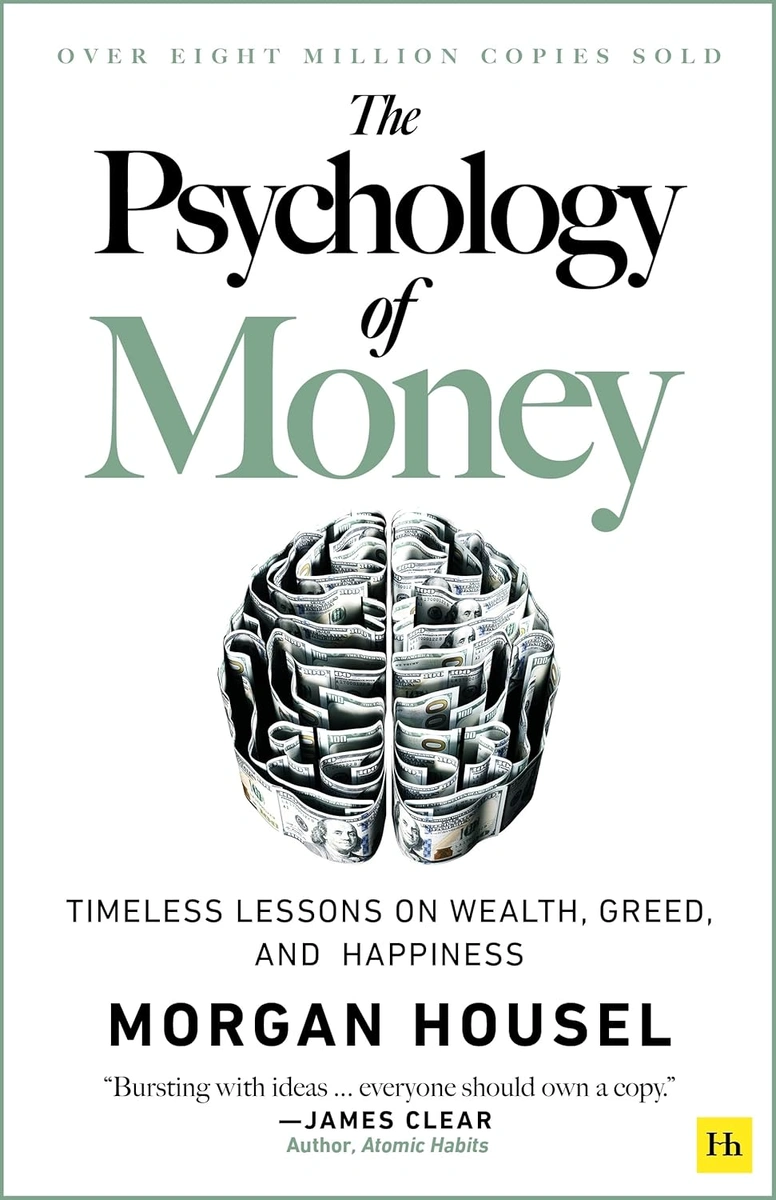
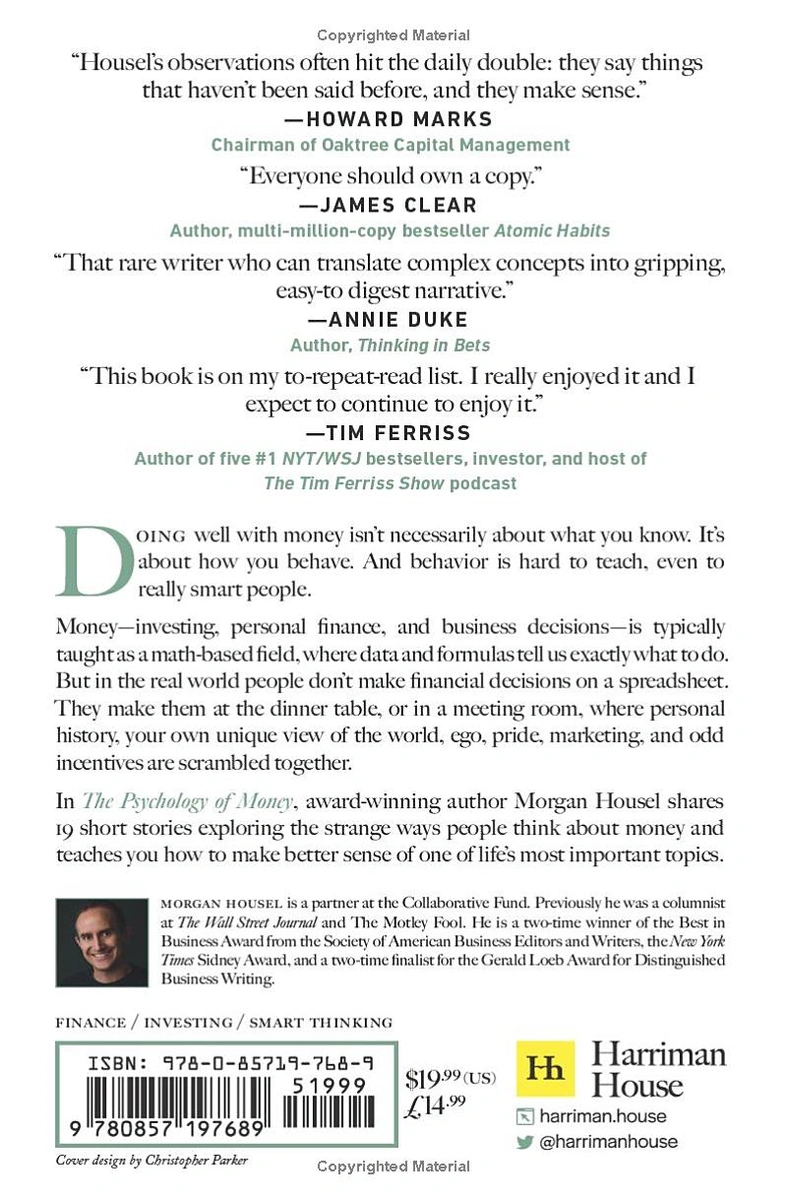
The Psychology of Money is a clear, memorable, and unusually human book about wealth, investing, saving, risk, and the behavior behind financial decisions. Morgan Housel argues that doing well with money is not only a matter of intelligence, formulas, or technical knowledge; it depends on habits, emotions, patience, ego, fear, luck, and the personal stories people carry into every financial choice.
The Psychology of Money Morgan Housel offers readers a practical and reflective guide to one of life’s most important subjects. First published in 2020, the book uses short essays and stories to explain why people who understand finance can still make poor decisions, and why ordinary behavior repeated over time can matter more than impressive calculations.
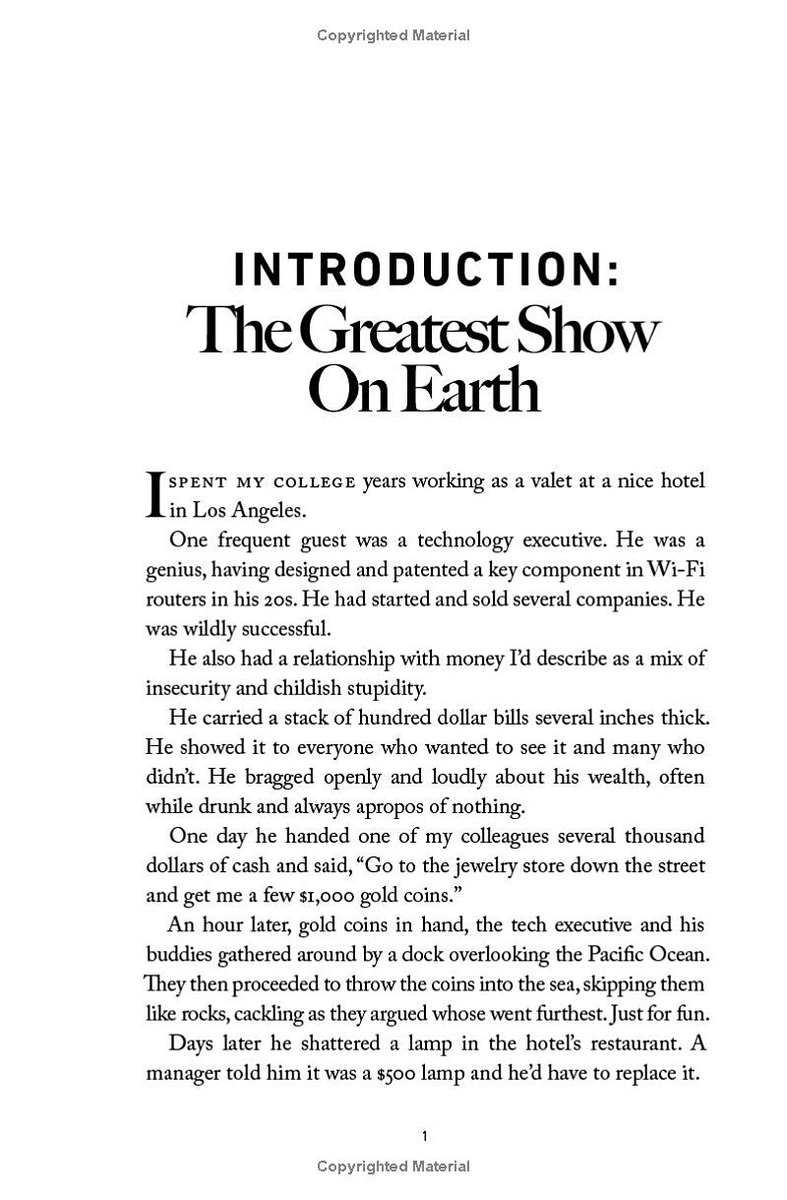
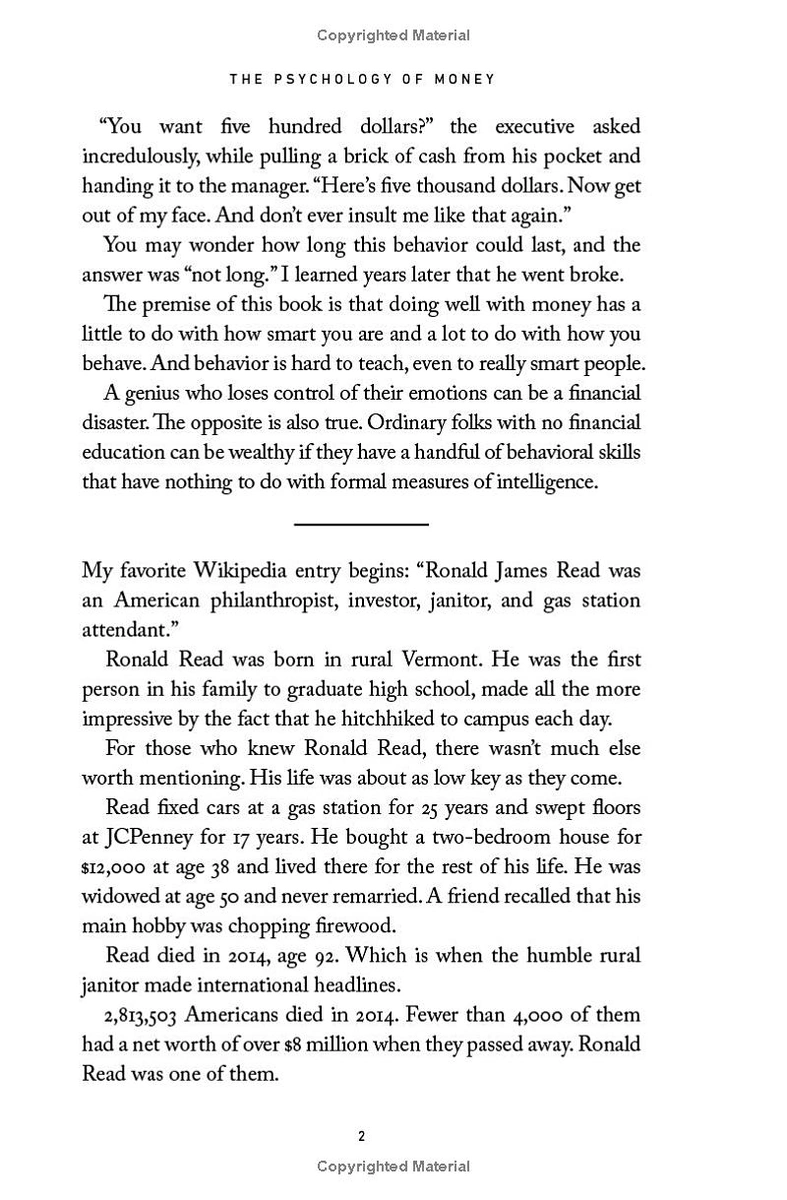
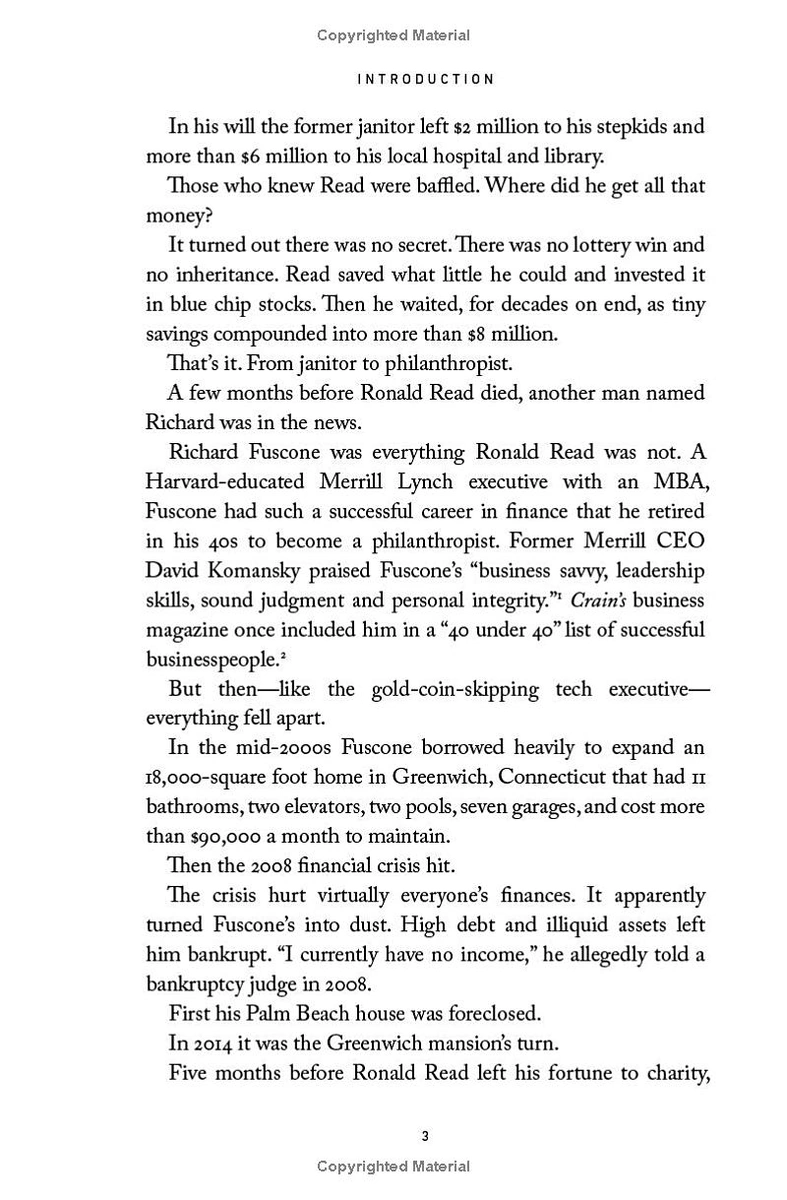
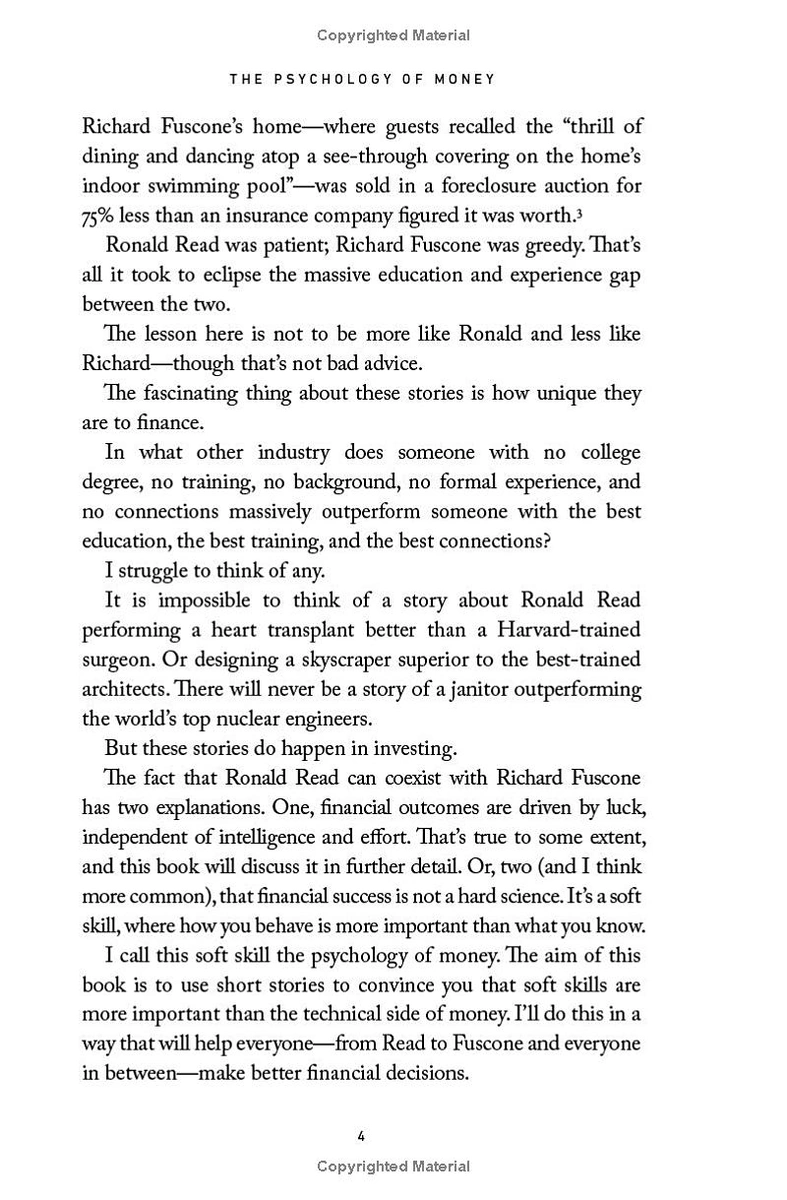
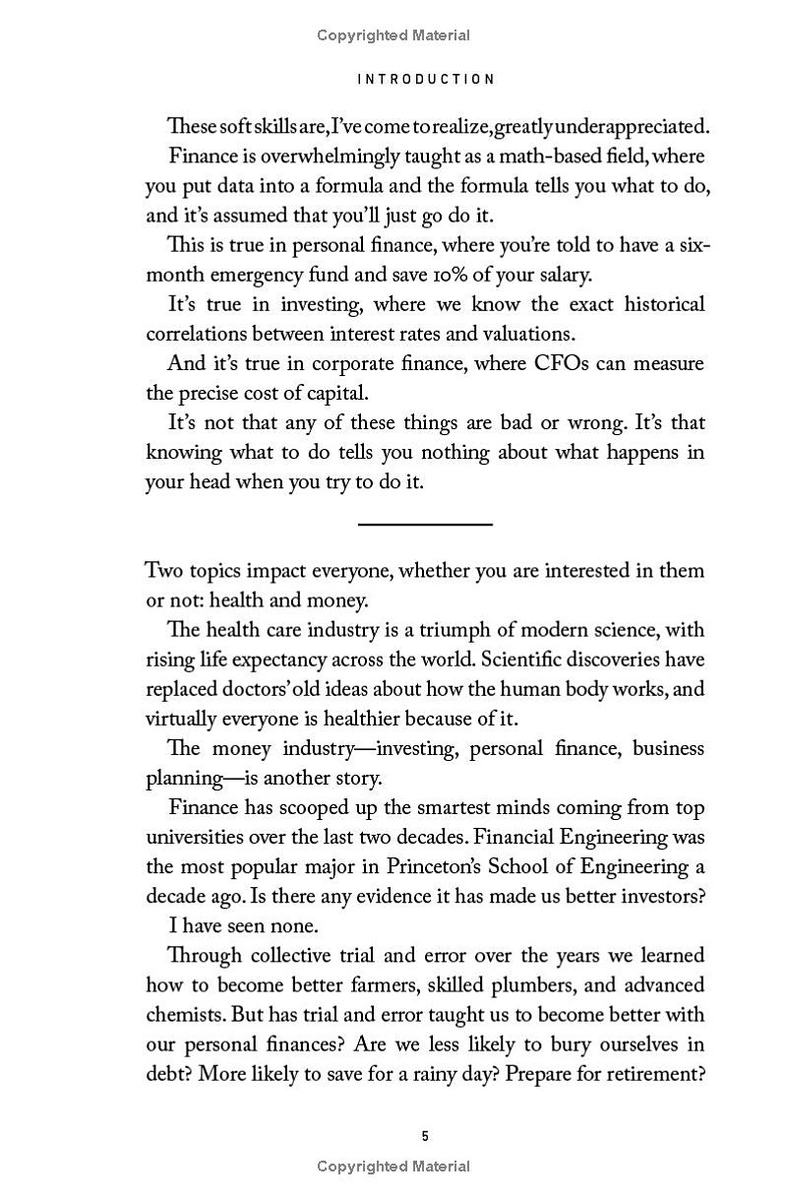
The plot of this nonfiction work is built around a simple but powerful idea: money is not experienced in spreadsheets. People make financial decisions at home, at work, under stress, during family conversations, after success, after disappointment, and under the influence of memories they may not fully recognize. Housel shows that every person’s relationship with money is shaped by history, timing, upbringing, culture, and personal experience.
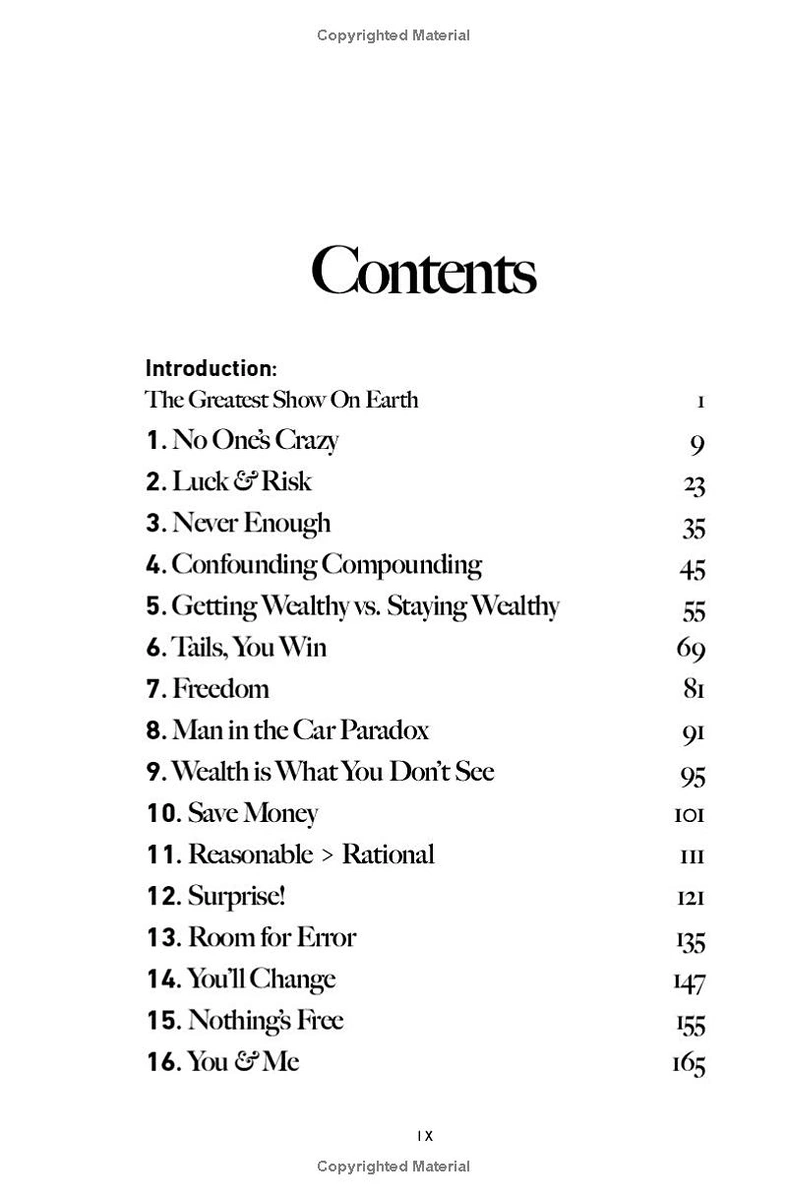
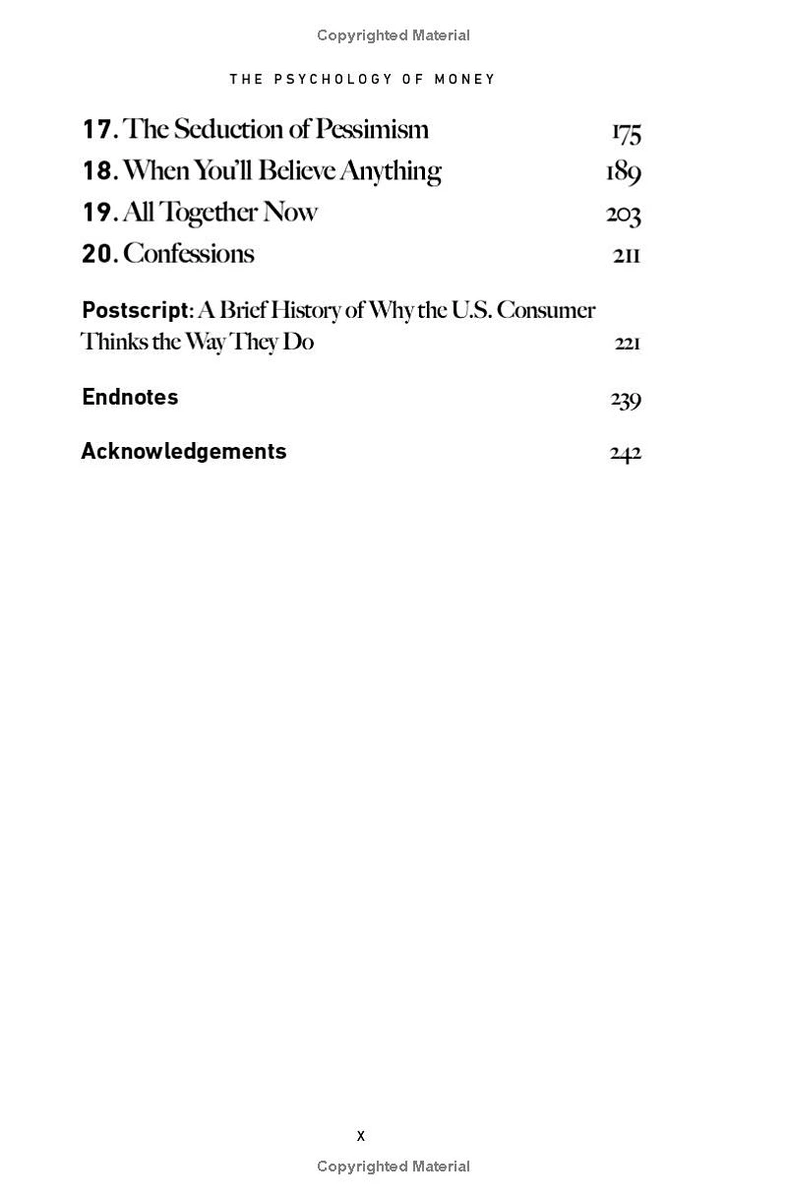
The book is organized as a series of short chapters that explore different financial behaviors. Housel writes about saving, compounding, risk, wealth, greed, independence, enough, pessimism, luck, and the danger of confusing what happened with what was inevitable. Instead of giving a rigid investment formula, he gives readers a way to think more calmly about uncertainty and long-term choices.
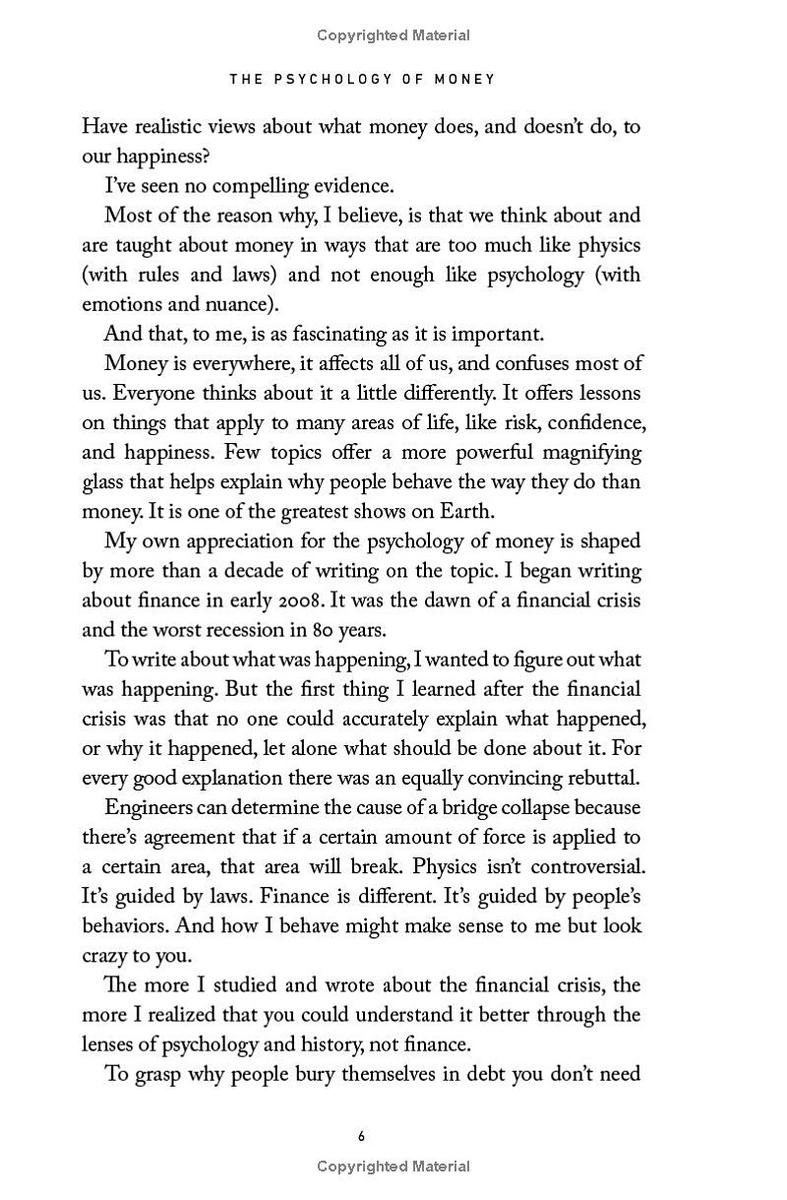
The central conflict is between knowledge and behavior. A person may know what is statistically reasonable and still panic during a downturn, overspend to signal status, take unnecessary risks, or abandon a good plan at the worst moment. The book explains why temperament can be more important than technical skill, especially when time, uncertainty, and emotion are involved.
Housel also shows that financial success is often misunderstood from the outside. Wealth may be invisible because real wealth is what has not been spent. Luck and risk can look similar after the fact. A bold decision may be praised when it works and condemned when it fails, even if the original reasoning was the same. These insights help the audience look at money with more humility.
In the middle of the reading experience, The Psychology of Money book becomes especially useful because it turns personal finance into a study of human nature. The characters in its stories are investors, workers, savers, entrepreneurs, families, and ordinary people trying to make choices in a world where outcomes are never fully under anyone’s control. The lesson is not to predict everything, but to build behavior that can survive what cannot be predicted.
The atmosphere is calm, conversational, and thought-provoking. Housel writes about money without making the reader feel buried in jargon. His style is simple but not shallow, using stories, historical examples, and direct observations to make financial ideas feel personal and practical. The result is a book that can speak to beginners and experienced readers alike.
The main themes include behavior, saving, investing, risk, luck, patience, compounding, ego, freedom, uncertainty, and the meaning of enough. The book asks why people chase more when they already have enough, why independence may be the greatest dividend money can provide, and why the ability to stay reasonable over time can be more valuable than trying to be brilliant for a moment.
Housel’s style is concise, reflective, and built around memorable principles. Each chapter stands on its own, but together they create a larger argument: financial wellbeing depends less on mastering every market detail and more on developing habits that protect judgment. The book’s strength lies in making complex financial behavior feel understandable without reducing it to easy slogans.
The conflict beneath the style is the tension between control and uncertainty. People want money to obey rules, but life includes recessions, surprises, mistakes, luck, inflation, changing goals, and emotional pressure. Housel encourages readers to build a margin of safety in both finances and expectations, so they are not destroyed by events they failed to foresee.
Who this book is for. This book is for readers interested in personal finance, investing, saving, financial independence, decision-making, and behavioral psychology. It will appeal to an audience that wants practical wisdom about money without needing advanced financial training or complicated mathematical models.
It is also a strong choice for people who want to improve their relationship with money rather than simply chase higher returns. Students, professionals, entrepreneurs, families, and experienced investors can all benefit from its emphasis on habits, patience, humility, and self-awareness.
Why you should read it. The Psychology of Money is worth reading because it changes the question from “What should I know?” to “How should I behave?” That shift makes the book useful beyond investing. It helps readers think about spending, saving, ambition, envy, security, family goals, and the kind of life money is supposed to support.
Another reason to read it is the book’s emphasis on humility. Housel reminds readers that personal finance is personal: what looks irrational from the outside may make sense within someone’s fears, history, or goals. Understanding that can lead to better decisions, less comparison, and more realistic planning.
For readers seeking a practical and wise guide to money, this book offers a strong foundation for clearer thinking. Read it to understand your own financial behavior, make better sense of uncertainty, and build habits that support not just wealth, but a calmer and more independent life.