Відгуки і рецензії читачів
Поки немає відгуків


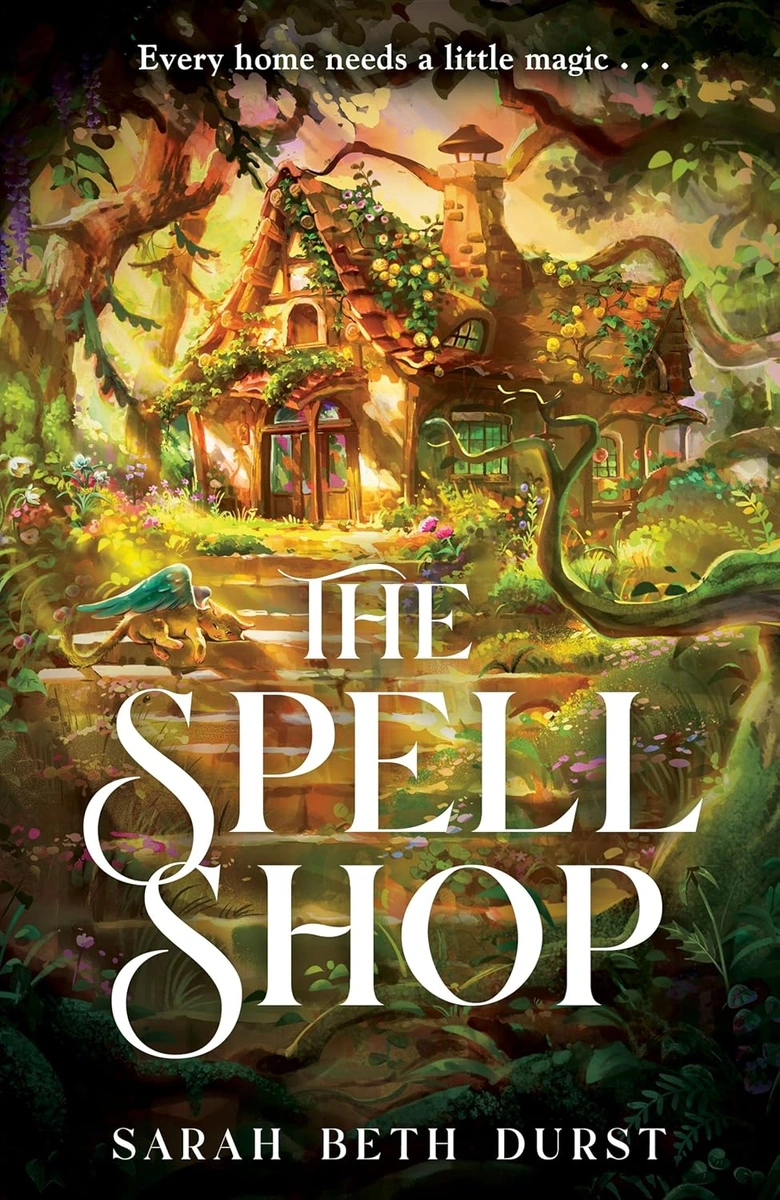
The Spellshop is a cozy fantasy romance about stolen spellbooks, forbidden magic, community, and the courage it takes to begin again after everything familiar burns. Sarah Beth Durst introduces Kiela, a reserved librarian from the Great Library of Alyssium, whose quiet life among magical volumes ends when revolution forces her to flee with her sentient spider plant assistant, Caz.
The Spellshop Sarah Beth Durst offers a lush cottagecore fantasy built on warmth, danger, and gentle emotional transformation. The novel follows Kiela back to the island where she grew up, where she discovers neglected neighbors, fading magic, a handsome and attentive islander, and a difficult truth: hiding may keep her alive, but helping others may finally teach her how to belong.
Kiela has always been more comfortable with books than with people. As a librarian at the Great Library of Alyssium, she has spent years protecting spellbooks meant for the empire’s elite, surrounded by knowledge but safely distant from the messiness of ordinary human contact. Her closest companion is Caz, a sentient spider plant whose personality, loyalty, and dry humor make him far more than a magical curiosity.
When unrest reaches the library and flames destroy the world Kiela has known, she and Caz escape with as many spellbooks as they can carry. Their flight is not heroic in the traditional sense; it is desperate, frightened, and practical. Kiela does not set out to become a rebel or a savior. She wants only to survive, protect the books, and disappear somewhere quiet.
That quiet place is the remote island of her childhood. Yet the home she returns to is not the sanctuary she imagined. The island has been weakened by the empire’s long habit of drawing power away from its people, leaving the town strained, neglected, and in need of help. Kiela arrives with illegal magic in her possession and quickly realizes that doing nothing may be its own kind of harm.
In the middle of the story, The Spellshop book becomes a tender conflict between safety and generosity. Sharing magic with commoners is punishable by death, but the spellbooks Kiela rescued contain knowledge that could heal gardens, restore small comforts, and give the islanders back pieces of life they have been denied. Opening a spellshop is therefore both an act of kindness and a dangerous breach of imperial law.
The plot gains warmth through Kiela’s slow connection with the townspeople and with her neighbor, whose patience and kindness challenge her instinct to keep every wall high. She is not used to being needed, welcomed, teased, or seen. The more she offers through the shop, the more she must face the fear that community is not a distraction from survival but a reason for it.
The characters around Kiela make the island feel alive. Caz brings wit, loyalty, and magical charm to every scene. The townspeople offer needs, opinions, suspicions, and unexpected affection. The neighbor adds romantic tension without overwhelming the heart of the story, which remains Kiela’s gradual movement from isolation toward trust, from guarding magic for the privileged toward sharing it with those who need it most.
The atmosphere is soft, fragrant, and inviting, with cottages, island air, jam-making, gardens, books, and small spells creating a strong sense of comfort. Yet beneath the cozy surface lies genuine risk. Kiela’s magic is illegal, the empire’s reach has not vanished, and every act of care could draw danger to the place she is beginning to love.
The major themes include belonging, healing, friendship, power, access to knowledge, kindness, fear, and the quiet bravery of changing one’s life. The novel asks who magic should serve and what happens when learning is hoarded by the powerful while ordinary people are left to struggle without it.
Sarah Beth Durst’s style is gentle, sensory, and character-centered. The story moves through small acts that matter: carrying books, making jam, repairing trust, tending plants, opening a shop, and learning how to speak honestly. The fantasy elements feel magical, but the emotional core is grounded in loneliness, generosity, and the search for a home that feels chosen rather than inherited.
Kiela is memorable because she is not a natural people person, and the novel does not force her to become someone else. Her growth comes through courage in small steps: answering a knock, accepting help, risking conversation, and deciding that rules made by distant rulers should not outweigh local suffering. Her awkwardness and intelligence make her both funny and deeply sympathetic.
For the audience, the appeal lies in the blend of comfort and purpose. The book offers the pleasures of cozy fantasy, including magical work, found community, slow-blooming affection, and a lovable nonhuman companion, while also giving the story a clear moral question about who deserves access to wonder.
Who this book is for
This novel is ideal for readers who enjoy cozy fantasy, cottagecore settings, gentle romance, magical shops, sentient plant companions, and stories about starting over. It will appeal to those who like low-violence fantasy with emotional stakes, warm humor, and characters who grow through care rather than conquest.
It is also a strong choice for readers who enjoy bookish heroines, island communities, forbidden magic, and stories where healing happens through ordinary acts made extraordinary. The book’s audience includes fans of comforting fantasy that still carries danger, purpose, and a quiet stand against unfair systems.
Why read it
The novel is worth reading because it turns the idea of a spellshop into something richer than a charming business. Kiela’s shop becomes a test of conscience, a shelter for possibility, and a bridge between a woman who has hidden from people and a community ready to make room for her.
The Spellshop is a charming choice for readers who want a magical story about rebuilding a life one brave act at a time. It invites you to follow Kiela and Caz to an island where every spell carries risk, every neighbor may become part of a new beginning, and every home needs just enough magic to bloom.