Відгуки і рецензії читачів
Поки немає відгуків


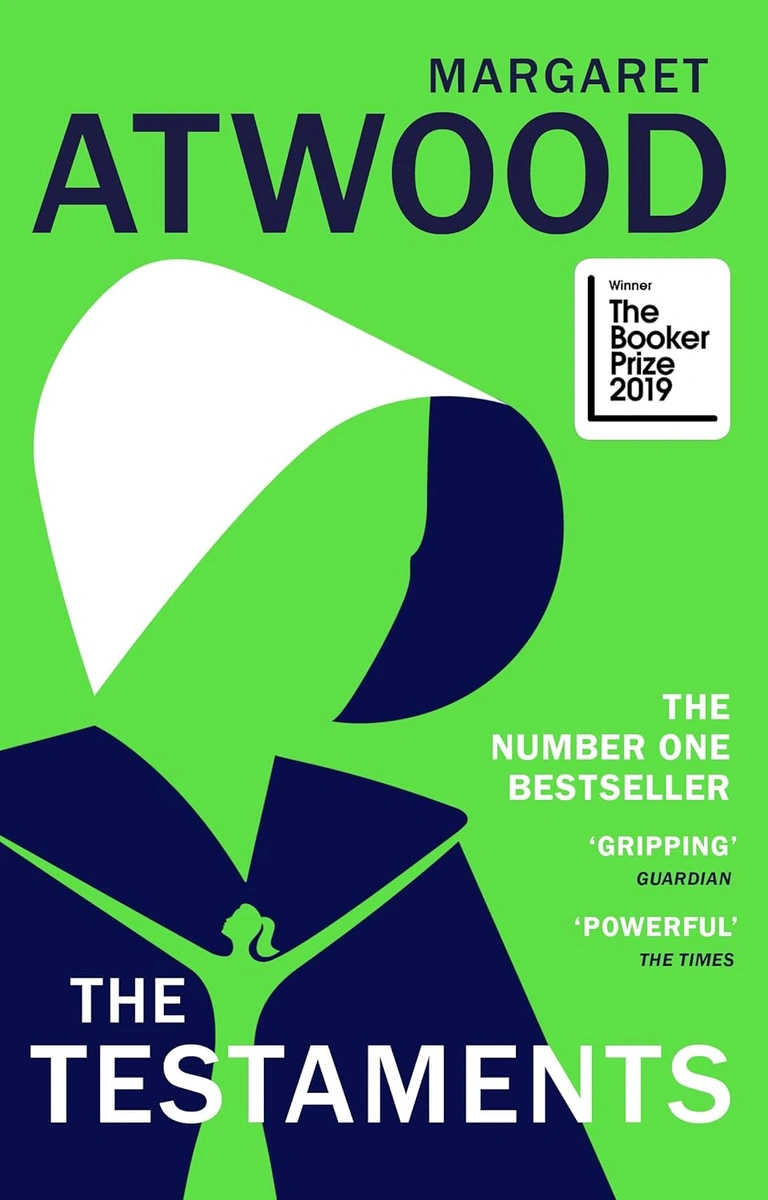
The Testaments is a gripping dystopian sequel about power, survival, secrecy, and the voices that rise from inside a regime built to silence women. Margaret Atwood returns to the Republic of Gilead fifteen years after the unresolved ending of The Handmaid’s Tale, revealing its inner fractures through three female narrators whose lives move toward a dangerous convergence.
The Testaments Margaret Atwood offers readers a tense and layered continuation of one of modern literature’s most influential speculative worlds. First published in 2019, the novel shifts from Offred’s uncertain fate to a wider view of Gilead, showing how control is maintained, how resistance survives, and how testimony can become a weapon against tyranny.
The plot unfolds through three separate testimonies. One voice belongs to Aunt Lydia, already known as one of Gilead’s most feared enforcers. Her sections reveal the calculations, memories, compromises, and hidden knowledge behind a woman who has long appeared to serve the regime with absolute loyalty. Through her, the reader sees how authority can be both weapon and disguise.
The second voice belongs to Agnes Jemima, a young woman raised inside Gilead. Her life shows the everyday rituals, restrictions, education, and expectations imposed on girls who are taught obedience as destiny. Through Agnes, the atmosphere of Gilead becomes domestic and intimate: not only public punishment and political terror, but also family arrangements, religious language, fear, shame, and the slow training of belief.
The third voice comes from Daisy, a young woman living in Canada, outside Gilead’s borders but not beyond its reach. Her perspective brings urgency, contrast, and a different kind of danger. As the lives of the three narrators begin to connect, the story moves from private memory into political action, showing how fragile systems can be threatened by hidden documents, secret alliances, and people willing to risk everything.
In the middle of the narrative, The Testaments book becomes more than a sequel that answers what happened after Offred stepped into the unknown. It becomes an investigation of how authoritarian worlds preserve themselves and how they begin to rot from within. Gilead’s strength depends on fear, surveillance, gender control, and ritual, but the novel shows that even the most rigid structure contains cracks.
The central conflict is not only between rebels and rulers. It is also between public identity and private truth. Aunt Lydia must navigate power while keeping secrets; Agnes must recognize the limits of the world she has been taught to accept; Daisy must face a history that reaches into her own life. Their combined testimonies turn memory into evidence and survival into resistance.
The atmosphere is suspenseful, claustrophobic, and steadily escalating. Atwood builds tension not only through danger, but through information: what each narrator knows, what she hides, what she slowly understands, and what may happen if the wrong person learns the truth. The result is a novel that feels both intimate and political.
The main themes include female testimony, oppression, indoctrination, complicity, resistance, power, identity, faith, fear, and moral compromise. The book asks how people survive inside systems that demand obedience, and whether survival within evil always means participation in it. It also explores how stories, records, and witness statements can challenge official lies.
Atwood’s style is sharp, controlled, and more propulsive than meditative. The three voices create contrast: strategic, sheltered, and outward-looking. Together they give the audience a wider map of Gilead than the first novel provided, while still preserving the emotional pressure of individual experience.
The conflict beneath the style is the struggle over who gets to define truth. Gilead controls bodies, names, clothing, education, and language, but testimony resists that control. By allowing women to speak from different positions inside and outside the regime, the novel turns narration itself into an act of defiance.
Who this book is for. This novel is ideal for readers who enjoyed The Handmaid’s Tale and want to return to Gilead from new angles. It will appeal to an audience interested in dystopian fiction, feminist speculative literature, political suspense, authoritarian systems, and stories about resistance shaped by memory and risk.
It is also a strong choice for readers who like multi-voice narratives with moral complexity. Those who are drawn to characters forced to make dangerous choices under pressure will find the book especially compelling, because its heroines do not stand in the same place or understand power in the same way.
Why you should read it. The Testaments stands out because it answers old questions while opening a broader view of Gilead’s machinery. Instead of simply continuing one character’s story, it examines the regime through insiders, victims, witnesses, and conspirators, showing how terror is organized and how it may finally be undermined.
Another reason to read it is the power of its three narrators. Their voices create a structure of suspense and revelation, gradually showing that resistance can take many forms: patience, memory, deception, courage, and the preservation of truth. The novel’s emotional force comes from watching separate lives become part of one dangerous purpose.
For readers seeking a tense, intelligent, and thought-provoking return to Gilead, this book offers a compelling continuation. Enter the darkness and the light of three testaments, and discover how voices meant to be controlled can become the beginning of collapse.