Відгуки і рецензії читачів
Поки немає відгуків


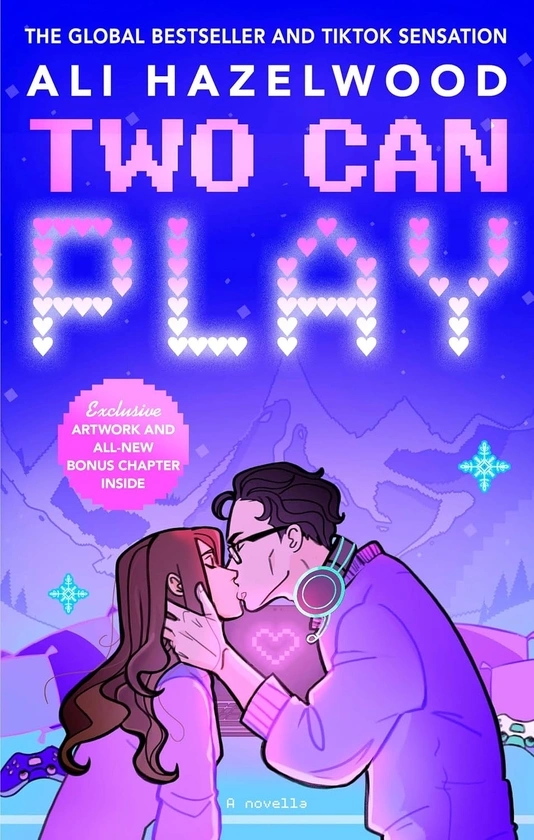
Two Can Play is a spicy enemies-to-lovers romance set in the world of video game design, where a dream creative assignment forces two professional rivals into close quarters and turns years of hostility into something much harder to ignore.
Two Can Play Ali Hazelwood follows Viola Bowen, a designer asked to adapt her favorite book series into a game, and Jesse Andrews, the infuriating co-lead who has always seemed determined to keep her at a distance, until a snowy retreat reveals that their rivalry may have been hiding a very different kind of tension.
The plot begins with Viola receiving the kind of opportunity most creators would dream about: helping design a video game based on the book series she loves most. It is a chance to combine fandom, imagination, skill and professional ambition in one project. For Viola, the assignment should feel like victory, proof that her creative instincts and hard work have brought her to exactly the right place.
The problem is Jesse Andrews. He is not only her co-lead on the project, but also the man she considers her archnemesis. Over the years, Jesse has made it clear that he wants nothing to do with her, though Viola does not understand why. His attitude has left her frustrated, defensive and convinced that working with him will make the whole project harder than it needs to be.
The central conflict grows when their bosses decide that a winter retreat in a remote mountain lodge will be the perfect team-building exercise. Viola can imagine many things worse than being cold, snowed in and surrounded by workplace tension, but not many. Being trapped near Jesse, knowing he is just next door, turns professional discomfort into emotional pressure.
In the middle of the narrative, Two Can Play book becomes more than a workplace enemies-to-lovers setup. As the snow piles up and the retreat forces Viola and Jesse into proximity, she begins to see details she has missed or misunderstood. Jesse may not be as simple as the cold, dismissive rival she has spent years resenting, and the heat between them is not limited to arguments about work.
The characters are shaped by creativity, ambition and miscommunication. Viola cares deeply about the story they are adapting, which makes the project feel personal rather than merely professional. Jesse’s guarded behaviour creates friction, but the more the plot unfolds, the more it becomes clear that distance can hide feelings as easily as dislike can.
First released as an audio novella in 2024 and later announced for print and ebook publication with a bonus chapter, Two Can Play gives Ali Hazelwood’s familiar romantic style a gaming-industry twist. Its compact format focuses on banter, rivalry, forced proximity and the satisfying shift from misunderstanding to attraction.
The atmosphere is wintery, intimate and charged with competitive energy. A remote mountain lodge, team-building pressure, snow and professional rivalry create the perfect setting for tension to thaw. The contrast between cold surroundings and growing heat gives the romance its playful seasonal appeal.
The main themes include creative passion, rivalry, miscommunication, professional trust, vulnerability, fandom and the risk of admitting desire after years of defensiveness. The conflict is not only about whether Viola and Jesse can work together, but whether they can stop using old assumptions as armour.
Ali Hazelwood’s style is witty, fast-paced and emotionally direct. The story uses sharp dialogue, internal frustration and romantic tension to move quickly from antagonism to intimacy. The video game design premise gives the novella a fresh texture, especially for readers who enjoy creative workplaces and collaborative projects.
Viola is memorable because she is passionate, talented and emotionally invested in doing justice to a story she loves. Jesse is compelling because his coldness raises questions rather than simply closing doors. Their chemistry works because every argument carries the possibility that something important has been left unsaid.
For the audience, the novella offers a concise, high-heat romance with a strong hook. It is designed for readers who enjoy watching professional rivals get trapped together long enough for irritation to become honesty and honesty to become something far more dangerous to resist.
This story is ideal for readers who enjoy contemporary romance, enemies-to-lovers tension, workplace rivalry, creative-industry settings and forced proximity. It suits an audience looking for a shorter, spicy romance with banter, snowed-in atmosphere and a clear emotional payoff.
It will also appeal to fans of Ali Hazelwood’s voice who want a romance outside the lab but still centered on smart, ambitious characters. Readers interested in video games, adaptation work, fandom and rivals who slowly discover the truth beneath years of misunderstanding will find this story especially fun.
Two Can Play is a compelling choice for readers asking why read an enemies-to-lovers romance with a gaming twist. It offers snowed-in sparks, creative tension, sharp banter and the pleasure of watching two rivals discover that the most difficult person to work with may also be the one who understands the game best.