Відгуки і рецензії читачів
Поки немає відгуків


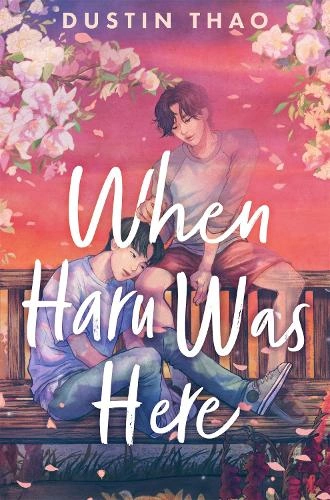
When Haru Was Here by Dustin Thao follows Eric Ly as he tries to live with the death of his best friend. Imagined scenarios offer him a way to cope with grief, until one of those possibilities seems to become real. Haru Tanaka, a boy Eric met the previous summer, enters a coffee shop and sits beside him. The meeting offers an immediate sense of connection, but there is something impossible about it: nobody else can see Haru.
For Eric, the companionship makes the world feel less lonely. Yet the more time they spend together, the harder it becomes to remain certain of what is real. Something that supports him emotionally also threatens to move beyond his control. The novel’s magical premise therefore creates an intimate conflict, asking what it means to hold onto a connection when that connection may prevent a person from confronting the life around him.
A comforting presence can make an unresolved absence more difficult to face. This tension gives the story its emotional direction without reducing Eric’s experience to a simple choice. Haru matters because he makes connection imaginable again, while the mystery of his presence keeps that possibility unstable. Readers can follow the relationship with both affection and uncertainty, aware that its meaning may change as Eric’s understanding changes.
Thao brings grief into a speculative romance in which the boundary of reality is part of the emotional experience. The central questions concern what a person needs from companionship, what imagination can offer and where the wish to preserve a bond becomes difficult to separate from the fear of losing it. The story gives these questions a clear physical image: someone can sit beside Eric and feel present to him while remaining invisible to everyone else.
This English paperback will appeal to readers of contemporary young adult fiction, magical romance and stories about complicated friendships and loss. It offers an emotionally focused premise rather than a large fantasy world, keeping the impossible event close to Eric’s daily life. The tension between closeness and doubt makes the question of letting go more than a phrase: it becomes something the protagonist must consider while facing the prospect of another painful absence.
Buy this book if you enjoy fiction that places a speculative possibility inside a recognizable emotional struggle. The coffee-shop encounter gives Eric a reason to feel less alone, but it also begins a story about the cost of certainty and the courage required to meet reality. Readers can look for the way affection changes the meaning of an impossible situation. When Haru Was Here invites attention to both sides of connection: the presence that helps someone endure and the difficult understanding that may be needed for life to move forward.